


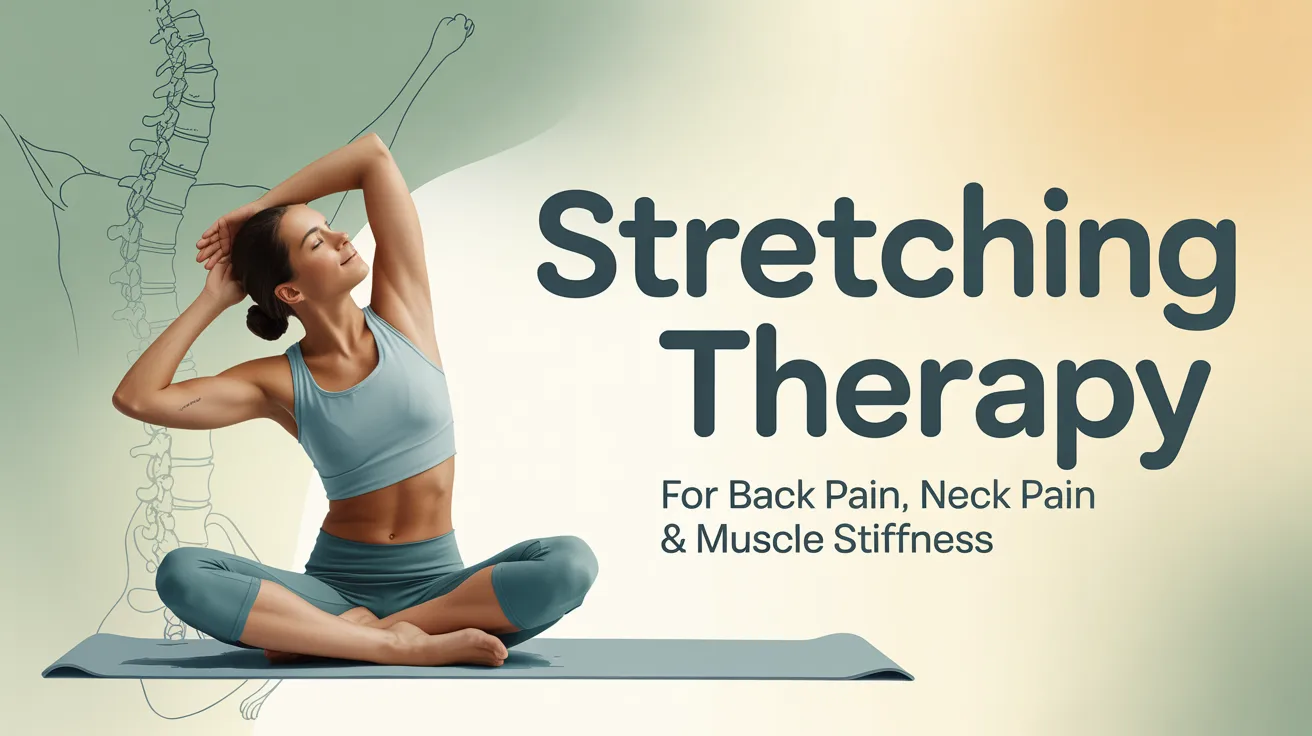
Stretching is one of the simplest yet most powerful tools for improving physical health. Whether you’re an athlete, recovering from injury, managing chronic pain, or simply living a busy life, incorporating stretching into your routine can have profound effects on flexibility, mobility, performance, and overall well-being. Despite its apparent simplicity, stretching is often misunderstood or overlooked — yet it plays a critical role in injury prevention, pain relief, rehabilitation, and everyday comfort.
In this article, we explore what stretching is, the science behind it, its many benefits, different techniques, how to do it safely, and how it connects with chiropractic care and personal injury recovery.
What Is Stretching?
At its core, stretching is the deliberate lengthening of muscles and connective tissues to improve flexibility and range of motion. Muscles and tendons adapt to the demands placed on them — if they are rarely stretched, they become shorter and tighter over time. Stretching counteracts this natural tightening, maintaining or increasing the ability of muscles to extend and joints to move freely.
Stretching can be performed with or without movement, and different methods target different outcomes. Common categories of stretching include:
- Static Stretching: Holding a stretch position for a set time.
- Dynamic Stretching: Controlled movement through ranges of motion.
- PNF (Proprioceptive Neuromuscular Facilitation): Contract-and-relax techniques to deepen flexibility.
- Active and Passive Stretching: With or without assistance from another force.
Each type has its place in a balanced flexibility program.

Why Stretching Matters: Key Health Benefits
Improved Flexibility & Range of Motion
One of the most well-established benefits of stretching is improved flexibility. Stretching helps muscles and tendons maintain a healthy length, allowing joints to move through their full range of motion with less restriction. Increased flexibility supports everyday tasks, from bending to reach for something on the floor to climbing stairs without discomfort.
Enhanced Posture & Balance
Tight muscles — especially around the shoulders, chest, and hips — can pull the body out of alignment, leading to postural imbalances. Regular stretching helps realign muscle tension and supports better posture and balance, reducing the risk of falls and discomfort.
Reduced Muscle Tension & Stress
Stretching gently lengthens muscles, increases blood flow, and releases physical tension that accumulates from daily stressors such as sitting for long periods, repetitive movements, or emotional stress. This reduction in muscle tension also helps calm the nervous system.
Injury Prevention & Pain Reduction
Consistent stretching prepares muscles for activity, reduces stiffness, and helps muscles respond more efficiently to sudden movements. While research on stretching for injury prevention shows mixed results depending on the type of injury and sport, there is evidence that tailored stretching — especially as part of a complete warm-up and cool-down — can reduce muscle strains and joint stress when combined with other safe practices.
Stretching also supports recovery after exertion by increasing blood circulation to muscles, helping remove metabolic waste and improving nutrient delivery — factors that may reduce the severity and duration of muscle soreness.
Supports Rehabilitation & Functional Mobility
For individuals recovering from injury — such as those who have experienced soft tissue strains, whiplash, back pain, or postural stress — stretching is a cornerstone of rehabilitation. Gentle mobility work supports healing muscles and connective tissues, maintains joint flexibility, and prepares the body for more advanced strengthening and functional training.
Stretching & Chiropractic Care: A Symbiotic Relationship
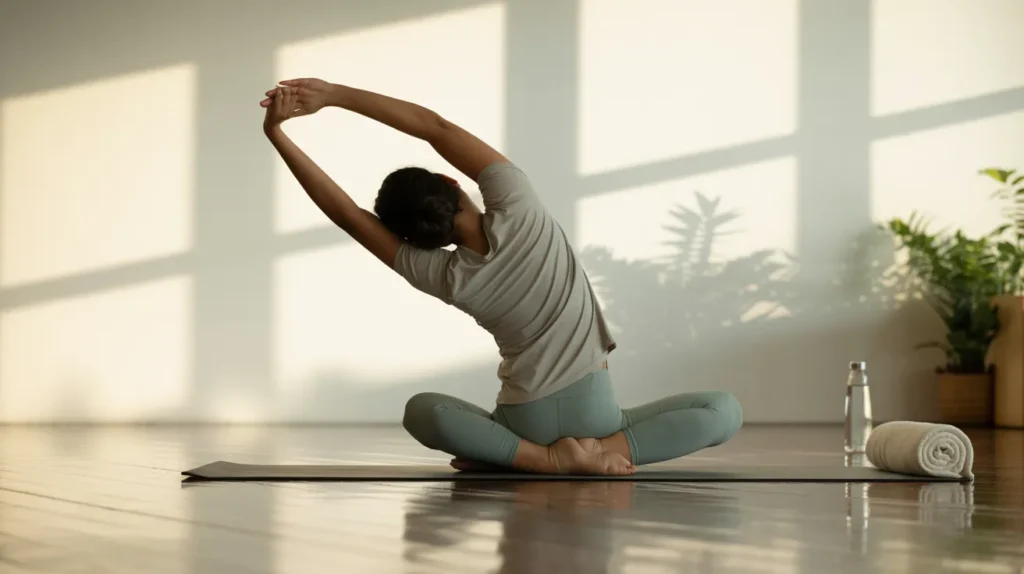
At clinics such as North Aurora Chiropractic, chiropractic care is often paired with therapeutic stretching as part of a comprehensive recovery plan for injuries — especially personal injuries like those sustained in car accidents, falls, or sports activities.
Chiropractors focus on restoring proper spinal alignment and nervous system function. When muscles are tight or imbalanced, they can pull the spine and joints out of alignment, contributing to pain, limited mobility, and chronic tension. Stretching helps reduce these muscle imbalances, supporting the chiropractor’s work by:
- Improving range of motion in joints
- Reducing muscle tension around affected areas
- Complementing manual adjustments and soft tissue therapy
- Preparing the body for strengthening and stabilization exercises
This combined approach enhances long-term outcomes and reduces the likelihood of reinjury.
Types of Stretching & When to Use Them
Understanding the different stretching methods helps you apply them appropriately for your goals:
Static Stretching
This involves holding a muscle in a lengthened position for 20–60 seconds. It is best used after activity or as part of a daily flexibility routine. Static stretches target specific muscle groups and are excellent for improving overall flexibility.
Examples: Hamstring stretch, seated spinal twist, calf stretch.
Dynamic Stretching
Dynamic stretching involves controlled movement that gradually increases reach and speed. It is most effective before exercise or physical activity as part of a warm-up to prepare muscles for movement.
Examples: Leg swings, arm circles, walking lunges.
Proprioceptive Neuromuscular Facilitation (PNF)
PNF combines passive stretching with muscle contractions and is often used in therapeutic settings to achieve deeper flexibility gains. It is usually performed with a partner or under professional guidance.

Safe Stretching Tips & Best Practices
Stretching is safe for most people when done correctly, but certain guidelines help maximize benefits and minimize risk:
Warm Up First
Stretching cold muscles can lead to strains. Warm up with light activity — such as brisk walking or gentle cycling — for 5–10 minutes before stretching.
Don’t Bounce
Bouncing while stretching can cause muscle micro-tears. Instead, ease into each stretch and hold steadily.
Breathe Normally
Relax your body and mind by breathing naturally. Holding your breath can increase tension and reduce effectiveness.
Avoid Pain
Stretching should create tension, not pain. If you feel sharp or acute discomfort, stop and consult a professional.
Be Consistent
Flexibility doesn’t improve overnight. Aim to stretch major muscle groups at least 3–5 times per week; even 10–15 minutes daily can make a significant difference.
Everyday Applications of Stretching
Stretching isn’t just for athletes — it’s useful for anyone who wants to feel better in daily life:
- Desk Workers: Stretch your neck, shoulders, and hip flexors to counteract sitting-related tightness.
- Older Adults: Regular stretching helps maintain mobility, reduces stiffness, and supports safer movement with age.
- Busy Individuals: A short stretching session in the morning or evening enhances circulation and prepares the body for the day or helps unwind at night.
- Rehabilitation Patients: Targeted stretches help maintain flexibility during recovery and prepare muscles for strengthening exercises.
Final Thoughts: Stretch Your Way to Better Health
Stretching is a foundational element of physical health. Whether you’re working toward greater flexibility, recovering from injury, preventing pain, or enhancing performance, a thoughtful stretching routine delivers far-reaching benefits. When paired with chiropractic care or therapeutic guidance, it becomes an even more powerful tool in restoring movement, reducing discomfort, and supporting lifelong mobility.
Start with simple stretches today, be consistent, and listen to your body — your muscles will thank you.