



Headaches are a daily reality for millions of people around the world. For some, they’re occasional and mild — disruptive but tolerable. For others, they’re debilitating, frequent, and life-altering. Tension, pressure, throbbing pain, nausea, or even visual disturbances — headaches can take many forms and emerge from many sources. Yet most people simply reach for medication rather than seeking the root cause of their pain.
But what if there were a natural, drug-free approach that gets to the underlying causes of headaches — not just masks the pain? That’s where chiropractic care comes in.
At North Aurora Chiropractic in Aurora, Colorado, chiropractic adjustments and related therapies are used to help reduce headache frequency, intensity, and duration by addressing structural and neurological factors that contribute to headache pain. This article will explain what causes headaches, how they can become chronic, and why chiropractic care — a non-invasive, restorative approach — may be an effective solution for many sufferers.
I. Headaches: A Widespread but Misunderstood Condition
Headaches are among the most common neurological conditions in the world. According to estimates, more than 80% of people will experience headaches at some point in their lives. Despite this widespread occurrence, many people don’t understand why headaches happen or how different they can be.
Types of Headaches
There are several types of headaches, but the most common include:
- Tension Headaches: Often described as a band-like pressure around the head, these are linked to stress, muscle tightness, or poor posture.
- Migraine Headaches: Intense, recurring headaches often associated with nausea, light sensitivity, and neurological symptoms.
- Cervicogenic Headaches: Pain originating from issues in the neck or upper spine that refers pain to the head.
- Cluster Headaches: Severe headaches occurring in cyclical patterns or clusters — less common but extremely painful.
Each of these has different triggers and mechanisms, yet many are related to the function and alignment of the spine, nervous system, and musculature of the neck and upper back.

II. The Limitations of Medication-Only Approaches
Most people reach for over-the-counter (OTC) pain relievers — like acetaminophen or ibuprofen — or are prescribed stronger medications when headaches persist. While medications can dull pain temporarily, they generally do not address the structural or neurological causes that trigger headache episodes.
According to North Aurora Chiropractic, many people rely on painkillers to mask headache symptoms, but these drugs do not treat the root causes of headache pain and can carry side effects if overused.
Medication Overuse and Headache Chronicity
There is a phenomenon known as medication overuse headache (MOH), which is caused by frequent use of pain medications. Over time, overreliance on these drugs can lead to a cycle of headache recurrence — essentially causing more frequent headaches. Chiropractic care seeks to break this cycle by addressing the source of tension and dysfunction rather than only numbing pain.
III. How Headaches Develop: The Role of Neck and Spinal Structures
Many headaches, especially tension headaches and cervicogenic headaches, are linked to mechanical dysfunction in the neck and upper spine. The spinal column houses and protects the nervous system, and slight misalignments or tension in the vertebrae and soft tissues can irritate nerves, restrict movement, and contribute to headache pain.
Cervicogenic Headaches: When Neck Pain Triggers Head Pain
A cervicogenic headache originates from the cervical spine (neck region). Misalignment or restricted motion in the vertebrae at the base of the skull or in the neck can create irritation that radiates into the head. This type of headache is often misdiagnosed as migraine or tension headache, but its source is structural rather than neurological.
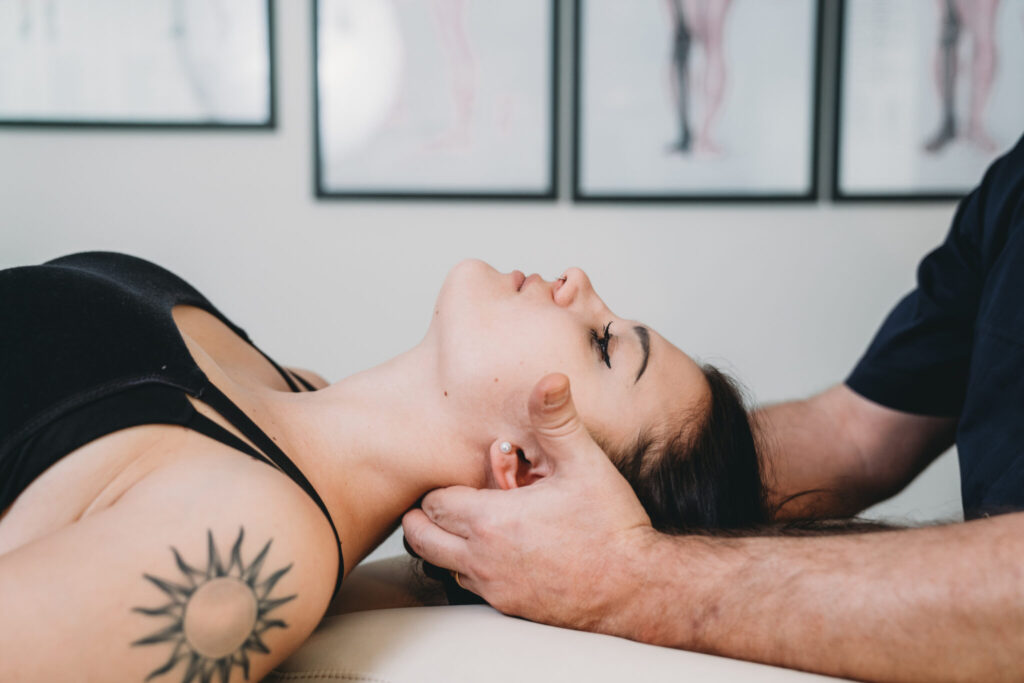
Chiropractors specialize in identifying these subtle misalignments and restoring normal motion through adjustments, which can help relieve pressure on nerves and tissues that contribute to headache pain.

IV. Chiropractic Care: A Drug-Free, Holistic Approach to Headache Relief
Unlike medications that simply mask pain, chiropractic care targets the root causes of headache pain. At North Aurora Chiropractic, the focus is on correcting spinal and musculoskeletal dysfunctions that contribute to headaches — especially those originating from neck and upper back issues.
1. Spinal Adjustments
The fundamental tool of chiropractic care is the spinal adjustment, which involves applying controlled, precise pressure to misaligned or restricted joints to restore proper alignment and motion. For headaches linked to neck tension or misalignment, this can relieve pressure on nerves and improve blood flow to the brain — helping reduce headache frequency and intensity.
2. Soft Tissue Therapies
Many headaches are aggravated by muscular tension in the shoulders, neck, and upper back. Chiropractors use soft tissue techniques such as massage, myofascial release, and trigger point therapy to relax tight muscles, improve circulation, and reduce the chronic tension that often contributes to headaches.
3. Postural Correction and Ergonomics
Poor posture — for example, from prolonged computer use or slouched sitting — can place excessive strain on the neck and upper back, contributing to chronic tension and headache onset. Chiropractors assess posture and movement patterns, and provide guidance on ergonomics, stretches, and exercises that support better alignment and reduce muscle strain.
4. Personalized, Individualized Care
Every patient’s headache pattern is unique. Chiropractors perform a detailed assessment of spinal alignment, head and neck motion, posture, past injuries, and lifestyle factors to create individualized care plans. These plans often include at-home exercises, posture advice, and lifestyle modifications to support healing and prevent recurrence.
V. Conditions That Chiropractic Care Can Help With
Chiropractic care is particularly effective for the following headache-related conditions:
Tension Headaches
Tension headaches are the most common type of headache and are often caused by muscle tension, stress, and postural strain in the neck and upper back. Chiropractic adjustments and soft tissue therapy can relieve the musculoskeletal tension that triggers these headaches, often reducing both frequency and severity.
Tension-type headaches have been shown to improve with manual therapy that relaxes muscles and restores normal joint function — something chiropractic care provides naturally and without drugs.
Cervicogenic Headaches
As noted earlier, cervicogenic headaches stem from structural issues in the neck — misalignment, restricted motion, or nerve irritation. Chiropractic care specifically addresses these dysfunctions through alignment and movement correction, often delivering relief that medication alone cannot match.
Migraines
Migraines are complex neurological events, and while chiropractic care is not a guaranteed cure for all migraines, adjustments may help some sufferers — particularly those with tension components or neck-related triggers. By improving spinal alignment and reducing muscle tension, chiropractic care can support migraine management alongside other medical treatments.

VI. Benefits of Chiropractic Care for Headache Sufferers
Chiropractic care offers several distinct advantages over traditional pain-killer-based approaches:
1. Non-Invasive and Drug-Free
Chiropractic care does not involve medications, injections, or surgery. This makes it an appealing option for people seeking a natural, non-invasive way to reduce headache frequency and pain without the side effects associated with long-term drug use.
2. Targets the Root Causes
Instead of simply relieving symptoms, chiropractic care helps correct the body’s underlying structural and movement dysfunctions — meaning long-term improvement rather than temporary relief.
3. Personalized Care and Long-Term Relief
Chiropractors spend time understanding individual headache patterns, triggers, and lifestyle factors to develop a customized plan that promotes long-lasting relief and prevents recurrence.
4. Supports Overall Health
Because chiropractic care improves spinal alignment and nervous system function, many patients find additional benefits beyond headache relief — including better posture, enhanced movement quality, reduced stress, and improved overall well-being.
VII. When to Seek Chiropractic Care for Headache Relief
You may benefit from chiropractic care if:
- You experience frequent or recurring headaches
- Over-the-counter medications offer only temporary relief
- Headaches originate or worsen with neck stiffness or posture issues
- You prefer a natural, drug-free approach
- You have not received lasting relief from other treatments
At North Aurora Chiropractic, walk-in care is available — meaning you can get evaluated and treated without an appointment when headaches begin to interfere with your life.
VIII. Real-World Results: What Patients Often Experience
Many patients who seek chiropractic care for headaches report:
- Reduced headache intensity and frequency
- Improved neck mobility and reduced tension
- Less reliance on pain medications
- Better posture and spinal comfort
- Enhanced ability to perform daily activities without pain
These improvements often begin after a few sessions and continue with consistent care and posture habits.
IX. Integrating Chiropractic Care with Other Treatments
While chiropractic care is powerful on its own, it can also complement other approaches to headache management, including:
- Stress-reduction techniques
- Hydration and nutrition improvement
- Physical therapy and exercise programs
- Sleep hygiene practices
A comprehensive, holistic approach often delivers the best outcomes for headache sufferers.
X. Conclusion: A Natural Path to Headache Relief
Headaches are common, complex, and often misunderstood. While medications may offer brief relief, they rarely solve the real causes of pain — especially when headaches arise from structural or musculoskeletal factors. Chiropractic care provides a drug-free, non-invasive, and patient-centered approach that targets the roots of headache pain, promotes natural healing, and supports long-term relief.
Whether you experience occasional tension headaches or frequent, life-impacting migraines, chiropractic care may be a valuable part of your wellness journey — helping you move, think, and live with less pain and greater comfort.
If headaches are disrupting your life, consider exploring chiropractic care at North Aurora Chiropractic. Their walk-in clinic makes it easy to begin addressing your headache pain naturally and effectively.