



Your spine is far more than just a stack of bones running up your back. It’s the central support structure of your entire body — housing and protecting the spinal cord, facilitating movement, absorbing shock, and helping maintain posture and balance. The health of your spine affects almost every aspect of physical function, from walking and bending to how well your nervous system communicates with your body.
When spinal problems occur, the consequences can be painful, debilitating, and persistent. Back pain, neck discomfort, radiating nerve pain (like sciatica), stiffness, headaches, and mobility issues are all common symptoms of underlying spinal dysfunction. But spinal issues aren’t something you just have to “live with.”
Chiropractic care — especially as provided at North Aurora Chiropractic in Aurora, Colorado — offers a drug-free, natural approach to understanding, managing, and improving spinal health by detecting misalignment early, correcting it, and supporting long-term function.
In this article, we’ll explore what spinal issues are, common causes and symptoms, how chiropractic care approaches them, and why early treatment is critical to preventing long-term complications.
Understanding the Spine: More Than Just Bones
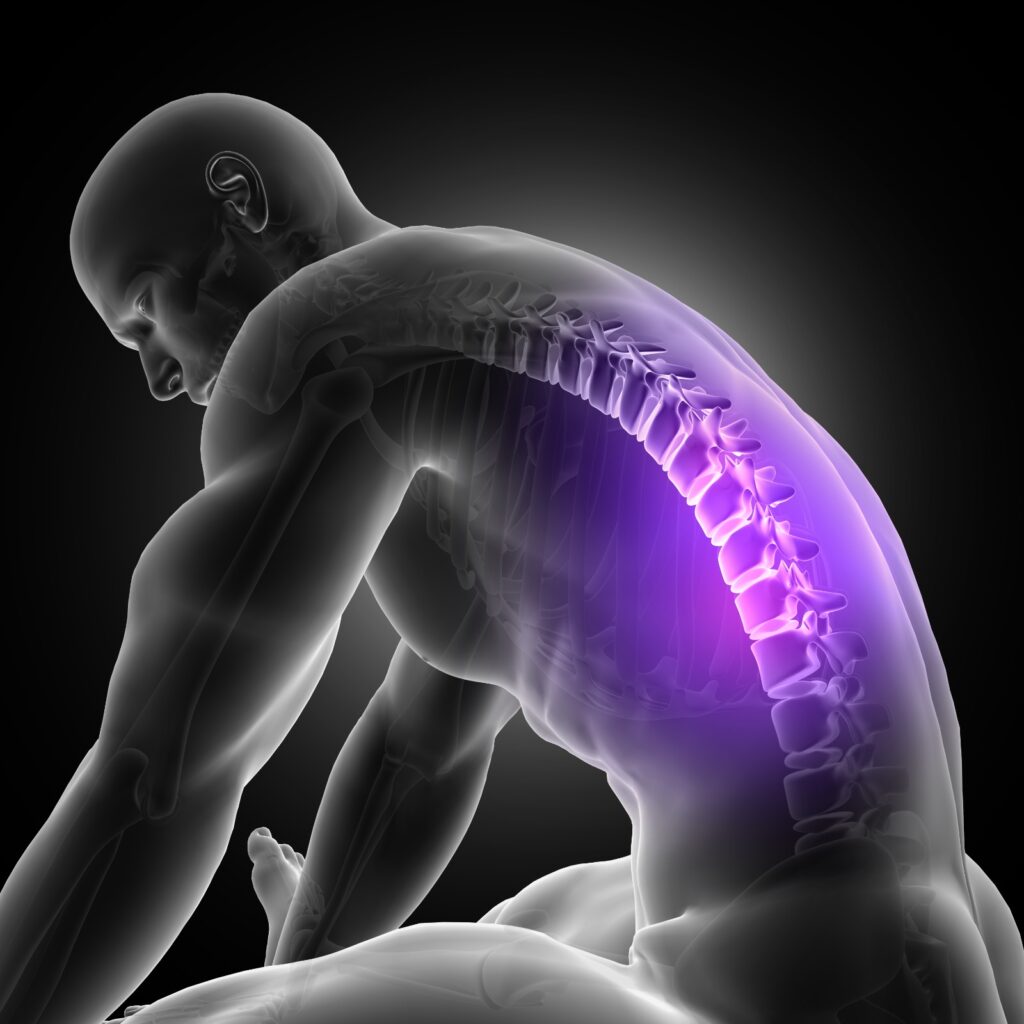
The spine is composed of 33 vertebrae organized into regions: cervical (neck), thoracic (mid-back), lumbar (lower back), sacral, and coccygeal. Between most vertebrae sit intervertebral discs that act as shock absorbers and provide flexibility. The spinal cord runs through a central canal, with nerve roots branching out to the rest of the body.
Healthy spinal alignment and joint mobility are essential for:
- Proper nerve function
- Balanced posture
- Pain-free movement
- Efficient muscular coordination
When the spine is functioning optimally, it supports the whole body. But when it’s misaligned, inflamed, or experiencing mechanical dysfunction, the effects can ripple outward in ways many people don’t expect.
What Are Spinal Issues?
“Spinal issues” is a broad term that refers to any condition affecting the bones, discs, nerves, muscles, ligaments, or mobility of the spine. Some issues are structural (like herniated discs), others are postural, and many involve a combination of mechanical and neurological factors.
Common spinal issues include:
1. Misalignment (Subluxation)
Chiropractors often refer to vertebral misalignment as subluxation — a slight shift of a vertebra out of its proper position that affects joint function and nerve signaling. These misalignments can cause stiffness, pain, nerve irritation, and compensation patterns in muscles.
2. Disc Problems
Discs can become bulged or herniated, especially due to injury or repetitive strain. When a disc protrudes into the spinal canal or foramen, it may press on nearby nerves, leading to pain, numbness, or weakness.
3. Degenerative Changes
With age and wear, discs lose hydration and height, and joints develop osteoarthritis. These changes can narrow nerve passageways (spinal stenosis) and decrease flexibility.
4. Nerve Compression
Nerve roots can become irritated by nearby structures — vertebral misalignment, discs, or tight muscles — leading to radiating pain like sciatica.
5. Postural Distortion
Modern lifestyles — prolonged sitting, forward head posture from screens, and poor ergonomics — can distort spinal alignment over time, stressing muscles and joints.
Why Spinal Issues Develop
Spinal problems arise from a mix of acute injuries, chronic stress, lifestyle factors, and age-related changes:
Trauma and Accidents
Events like falls, sports injuries, or car accidents can cause sudden disruption in spinal alignment, soft tissue strain, and hidden damage that may not become painful until weeks later. Chiropractic care often identifies and treats these issues early to prevent chronic problems.
Repetitive Movement and Poor Posture
Constantly bending, lifting, or sitting with poor posture places uneven pressures on the spine, causing joints to stiffen and supporting muscles to fatigue. Over time, this leads to spinal stress and dysfunction.
Muscle Imbalances
When some muscles are overactive and others underactive due to movement patterns or lack of strength, the spine can lose its natural alignment and mechanical efficiency.
Wear and Tear
Daily life gradually breaks down the shock-absorbing capabilities of discs and joint cartilage. Without maintenance of flexibility and strength, degeneration can accelerate.

Symptoms of Spinal Issues
Spinal dysfunction doesn’t always begin with sharp pain. It often presents as a combination of symptoms, including:
• Localized Back or Neck Pain
Pain confined to the spine itself often signals joint or disc stress.
• Radiating Pain
Pain that travels down the arms or legs (e.g., sciatica) suggests nerve involvement.
• Stiffness or Limited Range of Motion
Difficulty bending, twisting, or turning can reflect joint restriction or muscular guarding.
• Numbness, Tingling, or Weakness
Nerve compression can cause these neurological symptoms, often in the extremities.
• Headaches or Dizziness
Upper cervical dysfunction (neck area) may contribute to tension headaches or altered balance.
• Postural Changes
Rounded shoulders, forward head posture, or uneven hips are common visual signs of spinal imbalance.
The High Cost of Ignoring Spinal Issues
Many people wait to seek help until pain becomes intense or chronic. But untreated spinal dysfunction can lead to:
- Chronic pain conditions
- Accelerated joint degeneration
- Postural compensation and further problems
- Reduced mobility and quality of life
- Increased risk of secondary injuries
Addressing spinal issues early — especially after an acute event like an accident — gives the body the best chance to heal and adapt without long-term consequences.

Chiropractic Care: A Natural Pathway to Spinal Health
Chiropractic care focuses on detecting and correcting mechanical dysfunction in the spine and joints, often before it becomes painful or disabling. North Aurora Chiropractic offers a walk-in clinic in Aurora, CO, where experienced chiropractors assess spine and joint function using a variety of proven techniques.
Here’s how chiropractic care addresses spinal issues in a natural, patient-centered way:
1. Structural Evaluation and Diagnosis
Chiropractic care begins with a detailed assessment — including physical evaluation, range of motion testing, and, when necessary, imaging — to pinpoint misalignments and movement restrictions.
An accurate diagnosis is essential because spinal issues are often subtle and can involve multiple layers of dysfunction.
2. Chiropractic Adjustments
The core of chiropractic treatment is the spinal adjustment — a precise, controlled force applied to specific vertebrae to restore normal alignment and motion. These adjustments:
- Reduce nerve pressure
- Increase joint mobility
- Improve circulation and tissue health
- Decrease muscular tension
Many patients experience immediate relief in stiffness and pain after targeted adjustments.
3. Soft Tissue Therapy
Spinal dysfunction often coexists with muscle tightness and fascial restrictions. Chiropractors commonly use soft tissue techniques — including massage, myofascial release, and stretching — to relax tight muscles and improve flexibility around spinal joints.
This synergistic approach helps joints move more freely and supports long-term mobility.
4. Postural and Movement Education
Modern life places repetitive strain on the spine. Chiropractors assess posture and everyday movement patterns, then provide guidance on ergonomic improvements, postural awareness, and functional movements that reduce strain on the spine.
Good posture not only relieves current symptoms but helps prevent future spinal dysfunction.
5. Personalized Exercise Plans
Restoring spinal health isn’t only about in-office adjustments. Chiropractors often prescribe targeted stretches and strengthening exercises that:
- Support spinal stability
- Enhance core strength
- Improve flexibility
- Reinforce good movement habits
Exercise empowers patients to maintain progress between visits.
Chiropractic Techniques Used at North Aurora Chiropractic
At North Aurora Chiropractic, a range of chiropractic techniques are used depending on each patient’s condition and comfort level, including:
- Traditional hands-on adjustments
- ProAdjuster computer-assisted adjustments (gentler, no cracking or popping)
- Diversified technique
- Thompson and Palmer technique variations
This versatility ensures that individuals from all age groups — from children to seniors — can receive spinal care suited to their needs.
Common Spinal Conditions Treated With Chiropractic Care
Chiropractic care may help with a wide range of spinal issues, including:
Back Pain
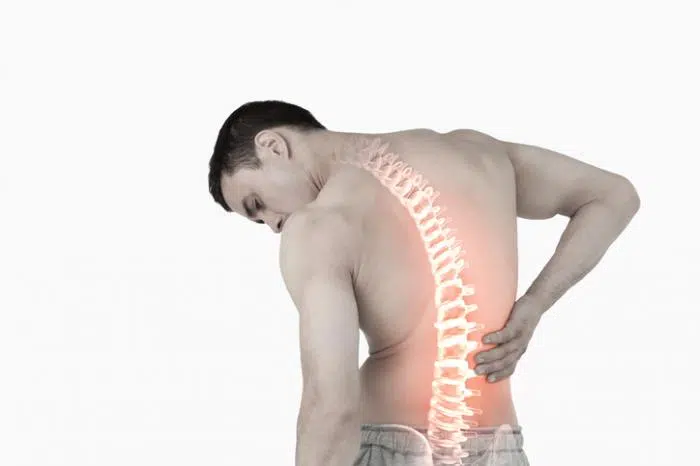
Back pain — especially in the lower back — is one of the most common spinal complaints. Adjustments help restore motion and reduce stress on spinal joints.
Neck Pain
Mechanical dysfunction in the cervical spine often contributes to stiffness, headaches, and muscle tension. Chiropractic care realigns vertebrae and improves range of motion.
Sciatica
Irritation or compression of the sciatic nerve often stems from spinal misalignment and disc issues. Chiropractic adjustments reduce nerve pressure and ease radiating pain down the leg.
Posture-Related Stress
Poor posture from prolonged sitting or forward head positions can gradually alter spinal curves and contribute to chronic tension. Chiropractic care addresses alignment and strengthens postural support.
Post-Injury Recovery
After accidents, minor misalignments and soft tissue injuries may remain hidden but later cause chronic pain. Early chiropractic intervention helps correct these before they worsen.
Benefits of Addressing Spinal Issues With Chiropractic Care
1. Pain Reduction Without Drugs
Chiropractic care is a drug-free solution that targets structural dysfunction rather than merely masking symptoms.
2. Improved Mobility
Restoring joint motion in the spine enhances flexibility, making daily tasks easier and more comfortable.
3. Enhanced Nervous System Function
Because the spine houses and protects the nervous system, proper alignment supports better neurological communication throughout the body.
4. Better Posture and Biomechanics
Through adjustments and education, patients often notice improved posture and reduced strain on muscles and joints.
5. Reduction in Long-Term Degeneration
Early correction of spinal issues can slow the progression of wear and tear on discs and joints, preventing future problems.

When to Seek Chiropractic Care for Spinal Issues
Consider consulting a chiropractor if you:
- Experience persistent back or neck pain
- Have limited spinal mobility
- Notice radiating pain or tingling
- Feel stiffness that doesn’t improve with rest
- Have sustained a recent injury or accident
At North Aurora Chiropractic, walk-in care is available, making it easy to get evaluated and treated even without a prior appointment.
Conclusion: Prioritize Your Spine, Prioritize Your Life
Spinal issues are incredibly common, but they don’t have to limit your life. From subtle misalignments and posture-related stress to more pronounced pain and nerve involvement, the health of your spine impacts how you move, feel, and function each day. Chiropractic care offers a natural, comprehensive, and patient-focused approach to detecting and correcting spinal dysfunction — helping you reduce pain, improve mobility, and prevent future problems.
Whether you’re dealing with back pain, neck tension, sciatic symptoms, or postural imbalance, chiropractic care at North Aurora Chiropractic may be the key to unlocking greater comfort and long-term spinal health.
Investing in your spine is an investment in your overall well-being — and the sooner you address spinal issues, the better your chances of living a balanced, active, and pain-free life.