


Car accidents happen in a split second. One moment you’re driving along, and the next, your life is jolted by impact, confusion, and stress. Immediately after a collision, many people walk away feeling stunned but not injured. Yet pain often does not show up right away. What feels like a minor bump one day can turn into lingering neck pain, back discomfort, or headaches days later.
This is where a car accident chiropractor can make all the difference. Instead of just masking symptoms with medication, chiropractic care identifies and treats the root causes of post‑accident pain. It’s a natural, non‑invasive approach that helps restore your body’s alignment, mobility, and ability to heal.
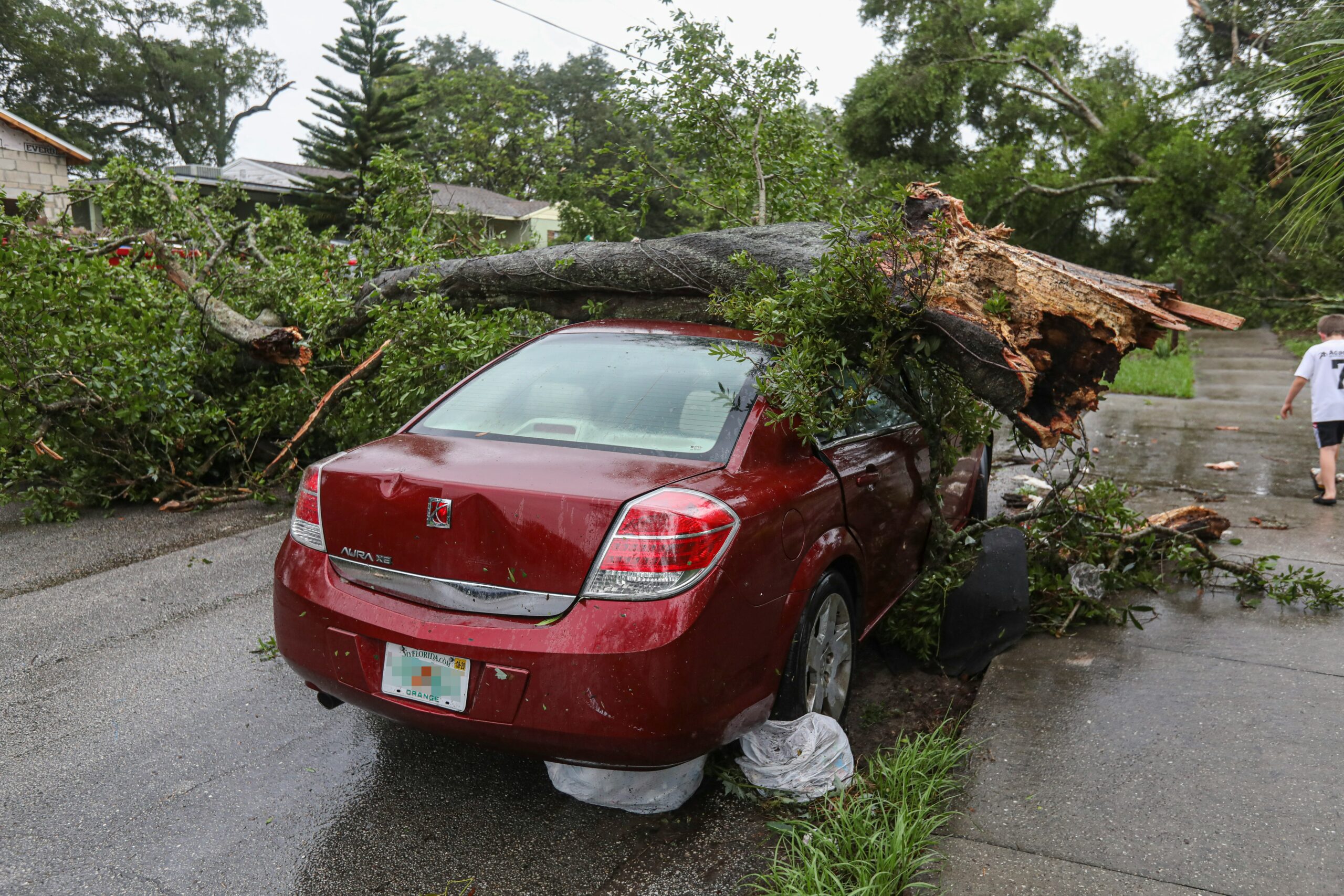
Immediately after a car crash, the body experiences sudden and extreme force. Even a low‑speed impact can generate intense pressure on the spine and supporting tissues. During the collision, your seatbelt stabilizes your body but your head and neck may still snap forward and backward—this jerking motion can cause injury.
Although many people feel fine initially, Adrenaline, shock, and the body’s natural stress response can temporarily mask pain. It is not uncommon for symptoms to show up hours or even days later. This is one of the biggest reasons seeking chiropractic evaluation soon after an accident is critical. Early detection can prevent small injuries from becoming chronic problems. According to North Aurora Chiropractic, auto accidents and whiplash injuries can cause intense pain requiring professional care. Prompt treatment improves outcomes and accelerates recovery.
A chiropractor trained in post‑accident care can evaluate subtle changes in muscle function, joint alignment, and nerve mobility that may go unnoticed during a routine medical exam.
Most people wonder how long treatment takes and what it feels like. Every case is unique, but here’s a general idea:
This involves frequent visits (often several times per week) to reduce inflammation, restore mobility, and manage pain. In this stage, the focus is on stabilizing the spine and reducing acute symptoms.
As pain decreases, treatment shifts to restoring full movement, strengthening muscles, and improving posture. Visits may be spaced out over weeks or months. The goal is not just to feel better, but to function better.
Some patients continue periodic chiropractic “check‑ups” to maintain spinal health, prevent flare‑ups, and improve overall well‑being. This ongoing care often keeps minor issues from turning into painful problems later.
Several types of injuries are frequently seen in car accident victims. These injuries often involve soft tissue, spinal alignment, and nerves. Some of the most common include:
Whiplash is one of the most well‑known car accident injuries. It occurs when the head is rapidly thrust forward and backward, like a cracking whip. This repetitive motion can stretch or tear muscles and ligaments in the neck.
Common symptoms include:
Whiplash injuries are deceptive because pain may not be felt until days after the accident.
The spine consists of many small joints that must move freely for normal function. A collision can cause these joints to become misaligned or restricted.
When spinal joints lose proper movement, they lose shock‑absorbing ability and can irritate nearby nerves, resulting in pain, stiffness, and discomfort.
Spinal discs act as cushions between vertebrae. During trauma, these discs may be damaged or shifted out of place, pressing against spinal nerves.
This can cause:
Disc injuries often require specialized evaluation and care.
Soft tissues include muscles, tendons, and ligaments. These structures stabilize and support the spine. They can easily be strained or torn when the body undergoes sudden force. Unlike bones, soft tissue injuries often do not show on X‑rays, making them harder to diagnose without a physical examination.
A car accident chiropractor focuses on identifying misalignments, soft tissue injuries, and nerve irritation caused by a collision. Rather than just masking symptoms with medication, chiropractors aim to correct the underlying structural issues so the body can heal naturally.
Here’s how chiropractic treatment works after a car accident:
The first step is a detailed evaluation, which typically includes:
Your chiropractor may also recommend imaging such as X‑rays or MRI to better understand the injury.
Spinal adjustments (also known as manipulations) are the hallmark of chiropractic care. During an adjustment, controlled force is applied to misaligned spinal joints to restore proper movement and position.
Benefits of adjustments include:
Restoring proper spinal alignment helps the nervous system function more efficiently, allowing the body to heal more effectively.
Chiropractors often use soft tissue techniques to relax tight muscles and improve blood flow. Methods may include:
These approaches reduce inflammation and tension, which often contribute to pain.
Chiropractic care includes personalized exercises designed to strengthen supporting muscles and improve posture. Strengthening the deep muscles around the spine provides better support and reduces the likelihood of reinjury.
Accidents can alter how you stand, sit, and move to compensate for pain. Over time, this compensation becomes habitual and can lead to further issues. Chiropractors help retrain posture to reduce stress on the spine and support long‑term recovery.

Chiropractic care is drug‑free and surgery‑free. It focuses on restoring natural body function without invasive procedures.
Instead of simply dulling pain, chiropractic treatment corrects structural problems that cause discomfort.
By restoring alignment and reducing nerve irritation, the body can heal more quickly and effectively.
Delayed or inadequate treatment can lead to chronic pain, limited mobility, and long‑term health problems. Early chiropractic care helps prevent complications.
Chiropractic care does more than relieve pain. It helps improve posture, mobility, nervous system function, and overall wellness.

Even if symptoms seem mild after a crash, it’s wise to get checked out by a professional. You should consider seeing a chiropractor if you experience:
Delaying care often allows inflammation and scar tissue to develop, which can complicate recovery.
After a car accident, the body enters a protective mode. Muscle guarding, inflammation, and swelling occur around injured areas as the body attempts to stabilize itself. If these responses are not addressed early, they can lead to chronic pain conditions, reduced motion, scar tissue buildup, and even nerve damage.
Prompt chiropractic care helps:
Car accidents can leave behind more than just emotional shock. Injuries to the spine and soft tissues can disrupt your body’s alignment and nervous system function. Because symptoms can be delayed, getting evaluated by a car accident chiropractor should be a standard step after any collision—no matter how minor it seems.
Chiropractic care offers a natural, non‑invasive, and highly effective way to treat the underlying causes of post‑accident pain. Through spinal adjustments, soft tissue therapy, rehabilitation exercises, and posture correction, chiropractors help patients recover faster and avoid long‑term health issues.
If you or someone you know has been in a car accident and is experiencing pain, stiffness, headaches, or reduced mobility, seek chiropractic evaluation sooner rather than later. Your body may be guiding you toward healing—you just need the right support to get there.

Our personal injury chiropractic center is located in Aurora, Colorado (2499 Peoria St. Aurora, CO 80010), just a short drive from all parts of east Aurora and east Denver, Montbello, Green Valley Ranch, and Commerce City, Colorado.
Our Aurora chiropractors offer chiropractic care for personal injuries, Stretching, Reduce inflammation, car accident injuries, neck pain, back pain, headaches, Sciatica, Improving Mobility, family chiropractic care, Muscle Tightness and more.
©2026 North Aurora Chiro Copyright All Right Reserved.