


Car accidents happen suddenly, often leaving people shaken but believing they escaped serious harm. Many individuals walk away from a collision feeling fine, only to develop pain or discomfort days later. This delayed pain is often caused by hidden spinal injuries—conditions affecting the spine, muscles, ligaments, or nerves that are not immediately noticeable after an accident.
Hidden spinal injuries are more common than many people realize. Even low-speed collisions can place intense stress on the spine and surrounding tissues. Without proper diagnosis and treatment, these injuries can lead to chronic pain, reduced mobility, and long-term health problems. Understanding how hidden spinal injuries occur and how they can be treated is essential for anyone involved in a car accident.
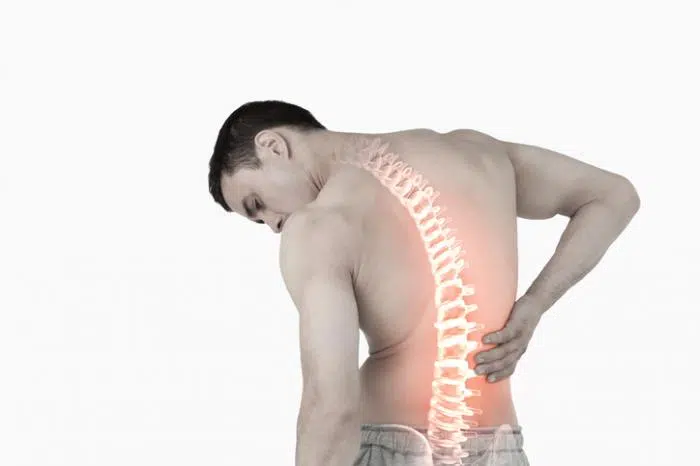
Hidden spinal injuries refer to damage within the spine or surrounding tissues that may not produce immediate symptoms. These injuries often involve soft tissues such as muscles, ligaments, and discs rather than bones. Because soft tissue damage may not appear on standard imaging tests like X-rays, the injury can go undetected during initial medical evaluations.
After a car accident, the body experiences a sudden force that can twist, compress, or stretch the spine. Even if there are no visible injuries, this force may cause small tears in muscles or ligaments, misalignment of the spinal joints, or damage to spinal discs. These problems may gradually worsen over time if left untreated.
Hidden injuries are particularly concerning because people often delay treatment, assuming their soreness is temporary. Unfortunately, this delay can allow inflammation, scar tissue, and nerve irritation to develop.
One of the main reasons spinal injuries remain hidden after an accident is the body’s natural stress response. During a traumatic event such as a car crash, the body releases adrenaline and endorphins. These hormones act as natural painkillers, temporarily masking pain and injury symptoms. As a result, many people do not feel significant pain immediately after the accident. Once the adrenaline wears off, symptoms may begin to appear hours or even days later.
Inflammation is another factor that contributes to delayed symptoms. When tissues are injured, swelling and irritation gradually develop. This process can take 24 to 72 hours before noticeable pain or stiffness occurs. Because of these delayed effects, it is possible to feel normal immediately after an accident and then experience significant discomfort later.
Hidden spinal injuries can affect different parts of the spine and surrounding tissues. Some of the most common injuries include the following.
Whiplash is one of the most frequently reported spinal injuries after car accidents, especially rear-end collisions. It occurs when the head is suddenly forced forward and backward, stretching the neck muscles and ligaments beyond their normal range.
This rapid movement can cause inflammation, muscle tears, and joint dysfunction in the cervical spine. Symptoms may include neck pain, stiffness, headaches, and reduced mobility. In many cases, whiplash symptoms do not appear immediately and may develop gradually over several days.
The spine contains soft discs that act as cushions between vertebrae. During a collision, these discs may shift or tear, causing them to bulge or herniate. When a disc presses against nearby nerves, it can cause symptoms such as:
Even a minor accident can disrupt the normal alignment of the spine. When vertebrae shift out of their proper position, they can place pressure on surrounding nerves and muscles.
Spinal misalignment may lead to:
Soft tissue injuries involve damage to muscles, ligaments, and tendons around the spine. These injuries often occur when tissues are stretched or torn during the impact of a crash. Because these injuries are not always visible on imaging tests, they may go unnoticed during initial medical examinations. However, they can cause persistent pain and limited mobility if left untreated.
Facet joints connect the vertebrae and allow the spine to move smoothly. During a car accident, these joints can become irritated or compressed.
Facet joint injuries may cause sharp pain during movement, stiffness, and reduced flexibility.
Soft tissue injuries involve damage to muscles, ligaments, and tendons around the spine. These injuries often occur when tissues are stretched or torn during the impact of a crash.
Because these injuries are not always visible on imaging tests, they may go unnoticed during initial medical examinations. However, they can cause persistent pain and limited mobility if left untreated.
Facet joints connect the vertebrae and allow the spine to move smoothly. During a car accident, these joints can become irritated or compressed. Facet joint injuries may cause sharp pain during movement, stiffness, and reduced flexibility.
The symptoms of neck pain vary depending on the cause and severity of the condition. Some individuals experience mild stiffness, while others may struggle with persistent pain that limits daily activities. Common symptoms include:
Some individuals may also experience pain that spreads from the neck or back into the shoulders, arms, or legs. These symptoms should not be ignored, especially if they appear within a few days after a car accident.
Early diagnosis plays a crucial role in preventing hidden spinal injuries from becoming chronic conditions. The sooner the injury is identified, the sooner treatment can begin. Healthcare providers may perform physical examinations, mobility tests, and imaging studies to evaluate the spine. Chiropractors and musculoskeletal specialists often focus on identifying subtle misalignments, muscle tension, and joint dysfunction that traditional exams may overlook.
Detecting these issues early can help prevent long-term complications and promote faster recovery.
Chiropractic care is a widely used approach for treating spinal injuries caused by car accidents. Chiropractors specialize in diagnosing and treating conditions affecting the spine, muscles, and joints.
The goal of chiropractic treatment is to restore proper alignment, relieve pressure on nerves, and support the body’s natural healing process.
Spinal adjustments are a key component of chiropractic care. These adjustments involve applying controlled pressure to specific joints in the spine. By restoring proper alignment, spinal adjustments can:
Chiropractors may also use soft tissue therapy to treat muscle strain and inflammation. Techniques such as massage and myofascial release help relax tight muscles and improve circulation.
Better blood flow allows injured tissues to heal more effectively.
Therapeutic exercises are often recommended as part of a recovery plan. These exercises strengthen the muscles supporting the spine and improve flexibility. Strengthening these muscles helps stabilize the spine and prevent future injuries.


Ignoring hidden spinal injuries can lead to long-term health problems. When injuries are left untreated, scar tissue may form around damaged areas, reducing flexibility and causing chronic pain.
Untreated spinal injuries may also lead to:
Anyone involved in a car accident should monitor their body closely in the days following the incident. Even mild symptoms may indicate an underlying spinal injury.
Medical evaluation is recommended if you experience:
Seeking care within the first few days after an accident can greatly improve recovery outcomes.

Our personal injury chiropractic center is located in Aurora, Colorado (2499 Peoria St. Aurora, CO 80010), just a short drive from all parts of east Aurora and east Denver, Montbello, Green Valley Ranch, and Commerce City, Colorado.
Our Aurora chiropractors offer chiropractic care for personal injuries, Stretching, Reduce inflammation, car accident injuries, neck pain, back pain, headaches, Sciatica, Improving Mobility, family chiropractic care, Muscle Tightness and more.
©2026 North Aurora Chiro Copyright All Right Reserved.