


Mobility — the ability to move freely and easily — is something many of us take for granted until it’s compromised by pain, injury, or stiffness. Whether you’ve been in a car accident, suffered a sports injury, strained your back lifting something heavy, or are simply feeling the effects of aging, compromised mobility can make everyday activities difficult and drain your quality of life.
Fortunately, mobility is not fixed — it can be improved, enhanced, and preserved with the right approach. One of the most effective and natural pathways to improving mobility is through chiropractic care, a non-invasive, holistic healthcare strategy that addresses the root causes of movement limitations rather than just masking symptoms.
This article explores how chiropractic care — especially as practiced at North Aurora Chiropractic in Aurora, Colorado — plays a vital role in restoring mobility after personal injuries. Along the way, we’ll dive into the science, the techniques, and the practical benefits that make chiropractic care a powerful tool for improving movement and overall physical function.
Understanding Mobility and Why It Matters
Mobility refers to the range of motion in your joints and your ability to move comfortably through daily activities — walking, bending, lifting, twisting, reaching, and more. Mobility is essential not just for athletes and active individuals, but for everyone, because limited mobility can lead to:
- Chronic pain and stiffness
- Compensation injuries in unaffected areas
- Reduced participation in daily activities
- Increased risk of falls or further injury
- A gradual decline in overall health
In many cases, mobility issues stem from musculoskeletal dysfunctions, including misaligned vertebrae, joint restrictions, muscle tension, inflammation, or scar tissue. These problems are especially common after:
- Car and personal injury accidents
- Sports and exercise injuries
- Repetitive strain or poor posture
- Aging and long-term wear and tear
Addressing mobility impairment requires more than painkillers or temporary relief — it requires a focused approach that helps the body regain proper alignment, movement patterns, and functional strength.

Chiropractic Care: A Natural Pathway to Mobility Improvement
Chiropractic care is a health profession that focuses on diagnosing and treating neuromusculoskeletal issues, particularly those involving the spine, joints, and associated tissues. The goal is to restore alignment, reduce irritation, improve nervous system function, and optimize movement. This approach aligns perfectly with improving mobility, especially after injury.
Core Principles of Chiropractic Care
At its foundation, chiropractic care:
- Evaluates the spine and joints for misalignment or restriction
- Uses precise adjustments to restore normal motion
- Reduces inflammation and pressure on nerves
- Incorporates therapies that support soft tissue healing and flexibility
- Guides patients through exercises and lifestyle changes to prevent recurrence
Unlike medications that mask pain, chiropractic care aims to fix what’s causing the pain or dysfunction.
How Personal Injuries Can Affect Mobility
Personal injuries often involve more than just immediate pain or visible damage. After an accident — whether a motor vehicle collision, slip and fall, or athletic incident — the body can develop:
- Spinal misalignments
- Joint adhesion and stiffness
- Muscle tension and trigger points
- Reduced range of motion
- Inflammation and nerve irritation
These issues might not show up on routine imaging or even be noticeable at first, but can gradually result in persistent stiffness, pain, and decreased mobility over days or weeks.
For instance, someone who experiences a minor whiplash injury might think they are “fine,” only to develop neck stiffness, headaches, or shoulder pain weeks later — all of which can limit mobility and quality of life.

Chiropractic Care After Personal Injury: What to Expect
If you’ve been injured and are seeking help to improve mobility, here’s how chiropractic care typically works, with examples from the approach used by North Aurora Chiropractic:
1. Comprehensive Evaluation and Diagnosis
A chiropractor begins with a thorough consultation and physical assessment, looking at your spine, posture, movement patterns, and symptoms. Hidden soft tissue injuries or spinal misalignments are specifically checked, even if you feel “fine.”
This initial evaluation is essential because pain is not always the best indicator of how deeply an injury affects mobility.
2. Customized Care Plan
No two injuries are exactly alike. A customized treatment plan is crafted based on your:
- Pain areas
- Mobility limitations
- Lifestyle and daily activities
- Wellness goals
This plan may include spinal adjustments, targeted muscle therapies, and movement retraining.
3. Chiropractic Adjustments
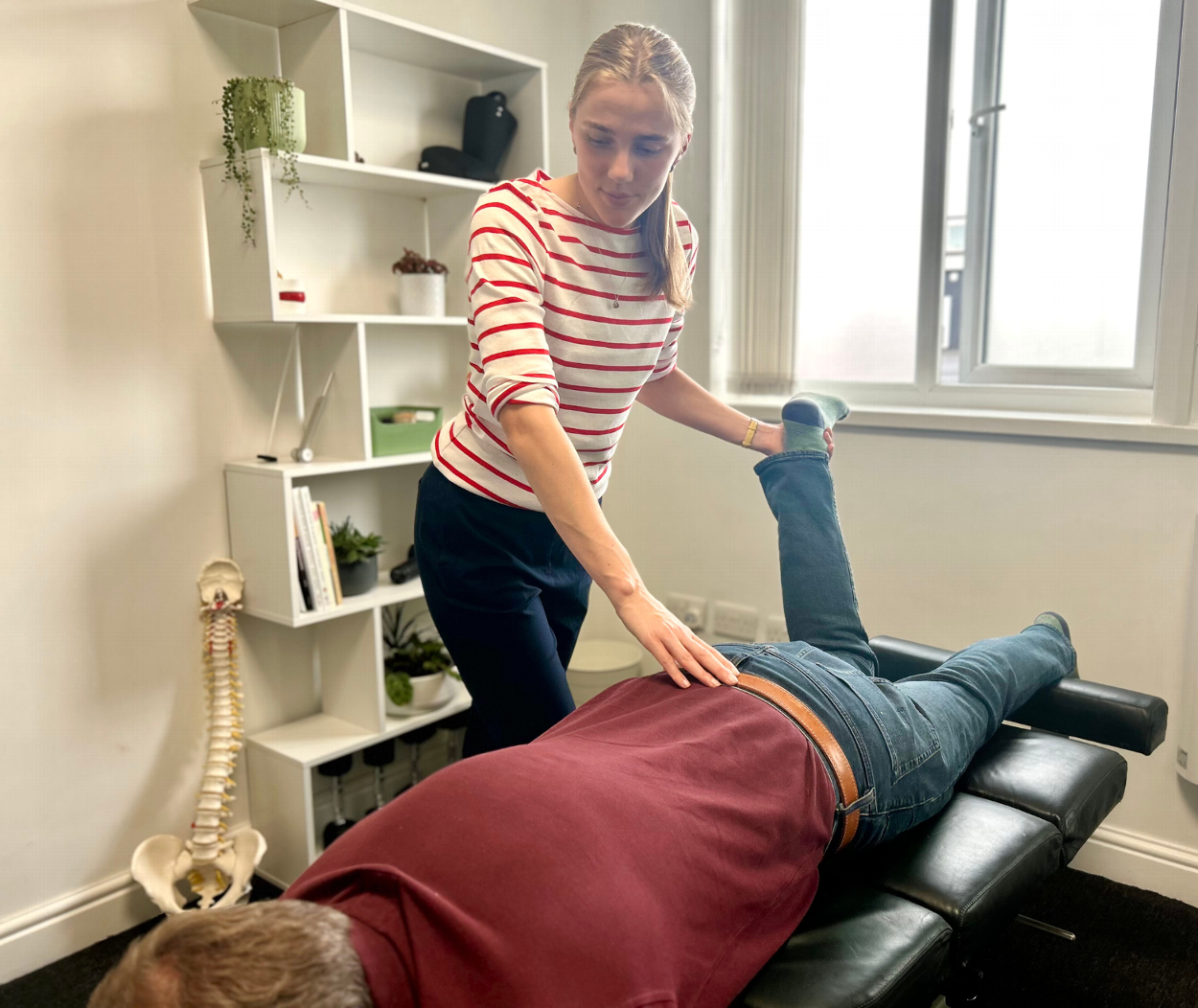
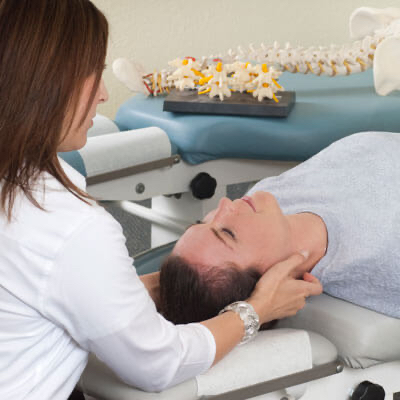
A key component of chiropractic care is the adjustment — gentle, precise forces applied to the spine or joints to correct misalignments and restore normal motion. These adjustments:
- Improve joint mobility
- Reduce nerve irritation
- Enhance blood and lymphatic circulation
- Reduce muscle guarding and tension
This process can significantly improve flexibility and movement while reducing pain.
At North Aurora Chiropractic, adjustments may be delivered using advanced tools like the ProAdjuster computer-assisted system (which minimizes cracking or popping) as well as manual techniques tailored to each patient’s needs.
4. Soft Tissue and Muscle Therapy
Alongside adjustments, soft tissue therapies such as massage, stretching, and myofascial release help break up scar tissue, relax tight muscles, and improve circulation — all of which contribute to mobility improvement.
These therapies are particularly helpful for addressing muscle stiffness that often accompanies joint restrictions.
5. Stretching, Rehabilitation, and Strengthening
Adjustments alone are not enough. To solidify gains and prevent future issues, chiropractors often prescribe:
- Stretching routines
- Strengthening exercises
- Functional movement training
This empowers patients to take control of their mobility improvement outside the clinic.
Benefits of Chiropractic Care for Mobility
Chiropractic care offers several important benefits that directly contribute to improved mobility after injury:
Restores Joint and Spinal Alignment
When joints and vertebrae are properly aligned, they can move more freely and with less pain. Misalignments — common after injuries — can lead to restricted motion and stiffness. Regular adjustments help restore natural motion patterns.
Reduces Inflammation and Swelling
Inflammation restricts motion and causes pain. Chiropractic care helps reduce inflammation through adjustment, muscle therapy, and enhanced circulation, which together accelerate healing and reduce tissue irritation.
Improves Range of Motion
By addressing the mechanical cause of movement restrictions, chiropractic care helps restore a fuller range of motion. Whether it’s bending, twisting, reaching, or walking, improved joint action allows patients to move more comfortably and confidently.
Supports Nervous System Function
The spine houses the nervous system’s central communication channels. Misalignment can interfere with nerve signals that coordinate movement and muscle function. Chiropractic care helps ensure clear communication between the brain and body, which is crucial for coordinated mobility.
Prevents Chronic Pain and Long-Term Limitations
By addressing the root cause of restricted mobility early, chiropractic care reduces the likelihood that small injuries evolve into chronic pain syndromes that hamper long-term movement.
Real-World Applications: Mobility Improvement in Daily Life
Imagine these scenarios:
- After a car accident, you find it difficult to turn your head fully without pain. Chiropractic adjustments help release the restriction, easing neck tension and improving rotational mobility.
- With lower back stiffness from a fall, joint mobilization and soft tissue therapy restore flexibility, making daily activities like bending and lifting easier.
- Following a sports injury, structured chiropractic care combined with rehabilitative exercises helps you regain nimbleness and confidence on the playing field.
Through these applications, chiropractic care transforms mobility from a limited resource into one regained.
Mobility Improvement Beyond Injury Recovery
While chiropractic care is an excellent pathway for mobility restoration after injury, its benefits extend to broader wellness goals:
Posture Improvement
Poor posture significantly limits mobility over time. Chiropractic interventions — along with posture training — help align the spine, reduce strain, and promote smoother movement.
Injury Prevention
Regular chiropractic care helps detect and correct minor restrictions before they become major mobility issues or injuries. Maintaining balanced joint function and muscle flexibility reduces the risk of recurrent problems.
Enhanced Daily Function and Quality of Life
Improved mobility means less pain, more independence, and the ability to engage fully in life’s activities — from walking and gardening to playing with children or grandchildren.
A Patient-Centered, Natural Approach
One of the defining strengths of chiropractic care is that it is:
- Non-invasive — no surgery required
- Drug-free — avoids the side effects of pain medications
- Holistic — addresses the root cause, not just symptoms
- Adaptive — personalized for each individual
This approach makes it suitable for people of all ages — from athletes to seniors — who want to improve mobility without relying on pills or procedures.
Conclusion
Mobility is more than just movement — it’s freedom, independence, and quality of life. Injuries, accidents, repetitive strain, and aging can take away that freedom, but they don’t have to leave you immobile or in pain forever.
Chiropractic care provides a powerful, natural, and personalized pathway to restore and improve mobility, addressing the underlying causes of limited movement rather than simply masking pain. Through precise adjustments, soft tissue therapies, rehabilitative exercises, and lifestyle guidance — care like that offered at North Aurora Chiropractic — patients can regain range of motion, move with greater ease, and reclaim activities they once enjoyed.
If mobility challenges are keeping you from living your best life, don’t settle — explore how chiropractic care can help you move better, heal smarter, and live pain-free.