



Posture. It’s something most of us rarely think about — until it causes pain, stiffness, or discomfort. Yet posture plays a vital role in our physical health, well-being, and quality of life. Good posture allows us to move efficiently, breathe deeply, and reduce strain on muscles and joints. Poor posture, on the other hand, often contributes to chronic pain, tension, decreased mobility, and even fatigue.
The good news? Postural correction is achievable, and one of the most effective ways to address it is through chiropractic care: a holistic, non-invasive approach that focuses on alignment, movement, and long-term musculoskeletal health. This article explores what postural correction really means, why it matters, and how chiropractic care — like that offered at North Aurora Chiropractic in Aurora, Colorado — can help you transform not only how you stand, but how you feel every day.
What Is Posture and Why Does It Matter?
Simply put, posture is the way you hold your body when standing, sitting, or moving. It’s influenced by the spine’s alignment, muscle strength and balance, skeletal structure, and everyday habits like how you sit at your desk or carry your phone.
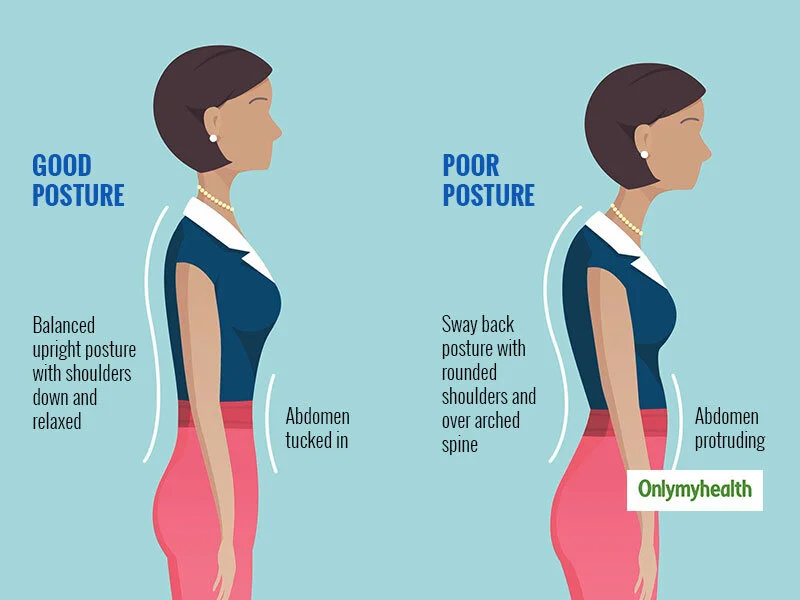
In ideal postural alignment:
- The ears are aligned over the shoulders.
- The shoulders are level.
- The spine maintains its natural curves.
- The hips are balanced.
- Weight is evenly distributed through the feet.
When posture is off — such as a forward-leaning head, rounded shoulders, or uneven hip height — other parts of the body compensate. Over time, this can lead to:
- Neck pain
- Upper and lower back pain
- Tension headaches
- Shoulder and hip strain
- Reduced lung capacity
- Decreased mobility and flexibility
Poor posture literally changes how your body functions on a fundamental level. When the spine is misaligned or held in a less-than-ideal position, joints and muscles work harder than they should just to keep you upright. This added effort often results in fatigue, tension, and pain that can significantly impact your daily life.
The Hidden Link Between Injury and Postural Problems
Many people associate posture with merely how one looks when standing or sitting. But posture goes far deeper — especially when linked to injury. After a personal injury such as a car accident, sports mishap, fall, or strain, the body enters a protective mode. Muscles tighten, joints shift, and compensatory movement patterns develop. The result? Altered posture that may not be obvious immediately but can contribute to long-term dysfunction if not addressed.
At North Aurora Chiropractic, postural correction is recognized as an important part of recovery after injury — and not just a “nice-to-have.” Poor alignment can:
- Slow healing
- Increase the risk of chronic pain
- Create stress on joints and soft tissues
- Contribute to muscle imbalances
Chiropractic care helps identify these underlying postural shifts early so they don’t become long-lasting problems.
How Chiropractic Care Addresses Postural Correction
Chiropractic care is much more than pain relief. It’s a movement-based, alignment-focused health strategy designed to help your body work better at its core — including how you stand, sit, and move through life.
Here’s how chiropractic care supports postural correction:
1. Spinal Alignment and Adjustments
Chiropractors specialize in evaluating spinal position and correcting misalignments (also known as “subluxations”) through adjustments. These precise manual or instrument-assisted adjustments restore proper vertebral alignment, improve joint function, and reduce abnormal tension in surrounding muscles. Once the spine is aligned, your body can return to its natural posture more easily.
This isn’t just about standing taller — it’s about restoring balance so your nervous system functions optimally and muscles don’t have to compensate for poor alignment.
2. Identification of Muscle Imbalances
Poor posture often comes with muscle imbalances: some muscles become tight and overactive while others weaken from underuse or compensation. Chiropractors assess these imbalances and use targeted therapies to:
- Relax tight muscles
- Strengthen weak muscles
- Improve muscle coordination
This helps the body hold correct posture naturally, not just temporarily.
3. Soft Tissue Therapy
Chiropractic treatment often includes soft tissue work such as massage, myofascial release, or trigger point therapy. These techniques help reduce muscle tension, break up adhesions, and improve tissue mobility, making good posture feel more comfortable and less forced.
4. Postural Assessment and Education
Improving posture isn’t just about what happens in the treatment room. Chiropractors assess how your posture looks and functions in real life — sitting at a desk, driving, walking, or lifting objects — and teach beneficial habits. Proper postural awareness can reshape everyday movement patterns for lasting results.
5. Customized Exercise and Rehabilitation Plans
Chiropractic care incorporates rehabilitative exercises designed specifically for each person’s posture needs. These exercises target:
- Core stability
- Upper back strength
- Neck alignment
- Pelvic balance
With consistent practice, these exercises support postural correction long-term and help prevent the return of poor postural habits.
Why Postural Correction Should Be a Priority
Good posture isn’t simply a cosmetic goal — it’s an investment in your health and daily comfort. Some of the top benefits of correcting posture include:
Reduced Pain and Muscle Tension
When the spine and joints are properly aligned, muscles no longer need to overcompensate to support your body. This often leads to reduced pain in the neck, shoulders, and back — areas most commonly affected by poor posture.
Greater Range of Motion and Mobility
Postural correction helps increase joint flexibility and muscle function, allowing you to move more freely and comfortably throughout the day.
Improved Nervous System Function
The spine protects the nervous system. When the spine is aligned, nerve signals travel more efficiently throughout the body, supporting better posture and overall health.
Better Breathing and Organ Function
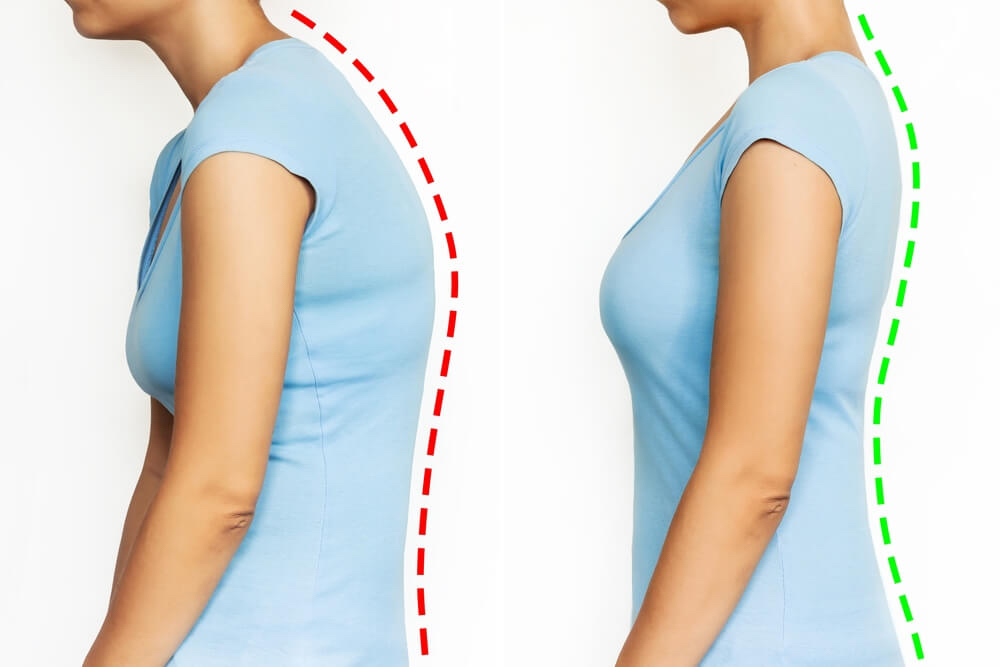
Slouched posture can compress the chest and reduce lung capacity. Correcting posture opens up the ribcage, allowing for deeper breathing and improved oxygenation. It can also support digestive function by reducing abdominal compression.
Enhanced Confidence and Presence
Good posture communicates confidence, strength, and health. It affects how others perceive you and how you feel about yourself — standing tall often makes people feel more balanced and empowered.
Everyday Habits That Affect Your Posture — and How to Improve Them
Posture isn’t static — it’s influenced by how you live. Even individuals who see a chiropractor regularly can improve results by adjusting daily habits:
Ergonomics at Work
Whether you sit at a desk or stand on your feet, proper ergonomic setup matters. Set your computer at eye level, keep your feet flat on the floor, and use chairs with adequate lumbar support to reduce spinal strain.
Mindful Movement
Small daily reminders — like keeping your shoulders relaxed, chin slightly tucked, and spine tall — reinforce proper posture over time. Regular breaks from sitting, standing with balanced weight, and avoiding prolonged slouching can make a big difference.
Strength and Stretching Routines
Engaging in exercises like planks, thoracic extensions, or chin tucks can strengthen key postural muscles and relieve tension. Stretching tight muscles — especially chest and hip flexors — helps support natural alignment.
These everyday efforts reinforce the work done through chiropractic care and help reinforce positive, long-lasting changes.
Postural Correction and Injury Recovery
If you’ve experienced a personal injury — whether from a car collision, sports accident, or unexpected fall — poor posture can be both a cause and a consequence of discomfort. After an injury, the body often adapts its posture to avoid pain, leading to longer-term imbalances.
Chiropractic care addresses postural shifts directly, helping the body restore its natural alignment during recovery. Instead of merely managing symptoms like pain or stiffness, chiropractors work to remove the underlying postural causes that can prolong recovery or contribute to future injury.
Making Postural Correction Part of Your Wellness Plan
Postural correction isn’t a one-time fix. It’s a process that involves:
- Professional assessment and chiropractic care
- Targeted exercises and rehabilitation
- Daily habits that support alignment
Working with a chiropractor — especially one experienced in post-injury care like North Aurora Chiropractic — provides personalized guidance tailored to your needs. A comprehensive approach ensures not just temporary relief, but long-term improvements that help your body function more efficiently and comfortably.
Conclusion: Stand Tall, Live Well
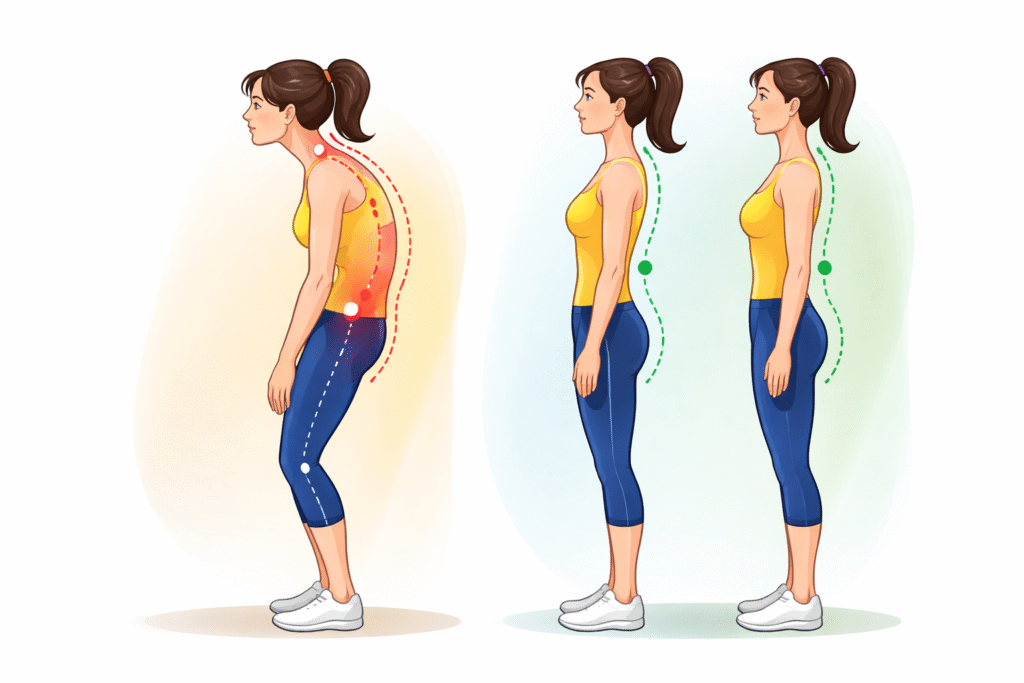
Good posture is far more than standing up straight in photos. It affects how your muscles, joints, nerves, and organs function every moment of the day. Poor postural habits contribute to pain, fatigue, mobility loss, and long-term musculoskeletal issues. But it’s not a permanent condition — and it doesn’t have to be something you simply “live with.”
Chiropractic care offers a powerful, natural, and personalized approach to postural correction. By restoring alignment, correcting muscle imbalances, educating you about healthy habits, and supporting your body’s healing, chiropractic care helps you stand taller, move easier, and feel better from the inside out.
If postural problems are affecting your comfort, performance, or confidence, take action today. Start with a postural assessment, commit to corrective practices, and invest in long-term wellness. Your body — and your future self — will thank you.