


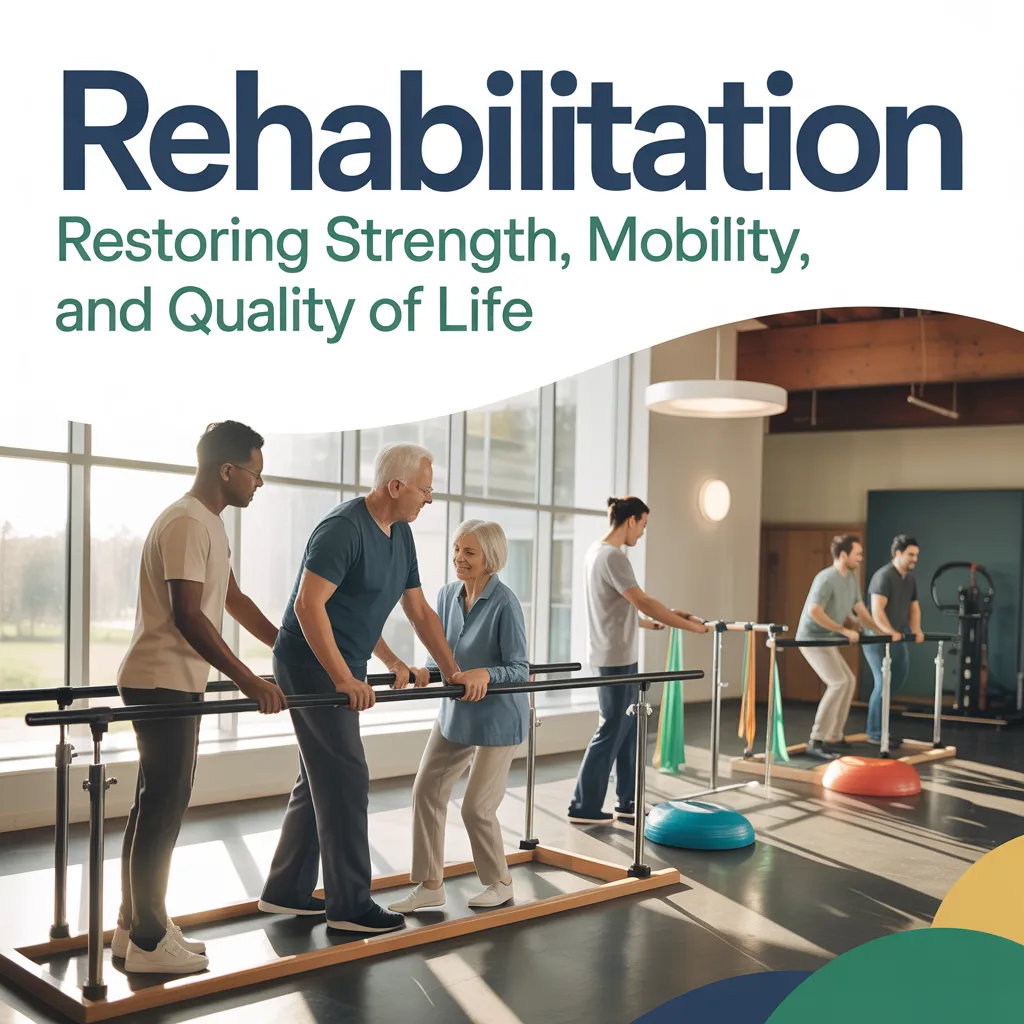
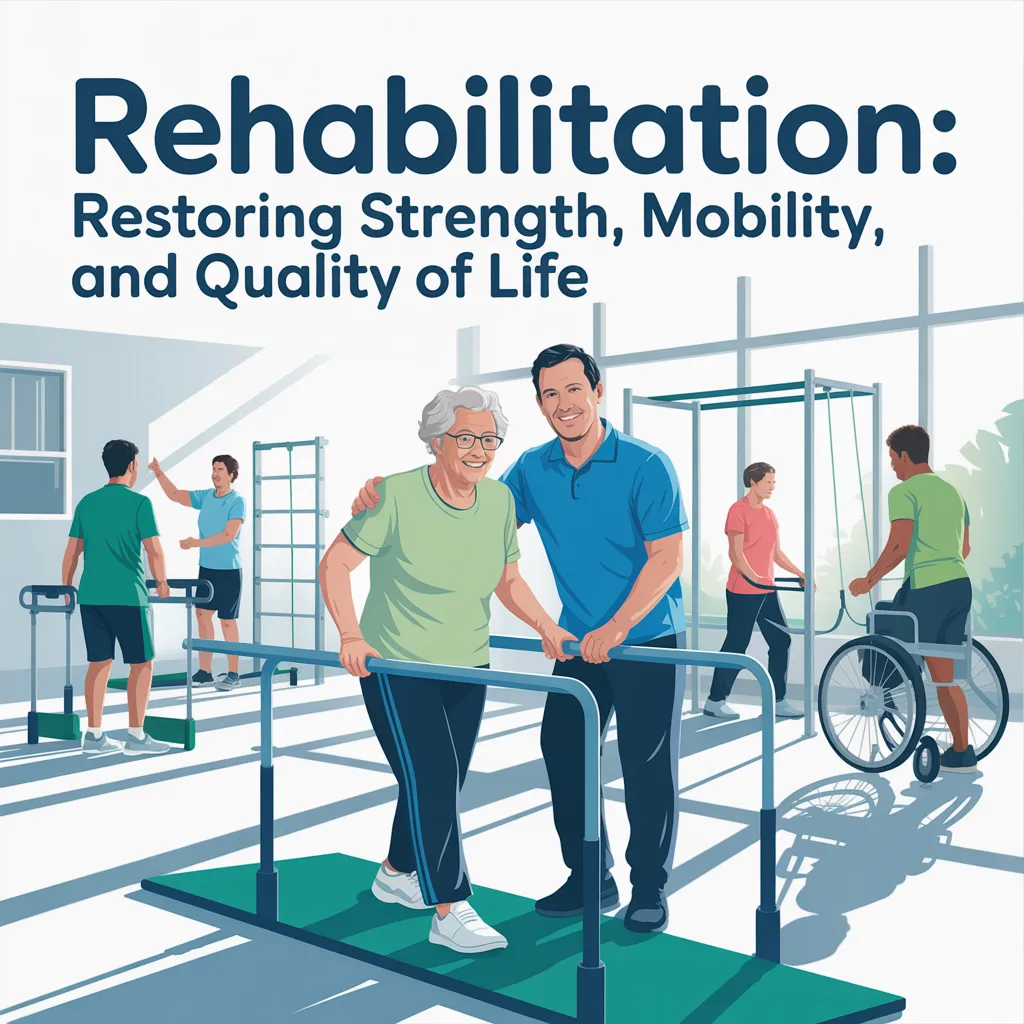
Rehabilitation is a critical component of healing after injury, illness, or physical trauma. It is not simply about recovering from pain—it is about restoring movement, rebuilding strength, preventing future injuries, and helping individuals return to their daily lives with confidence. Whether rehabilitation follows a car accident, sports injury, workplace incident, or chronic condition, a structured and personalized rehabilitation program can make a profound difference in both short-term recovery and long-term health.
In healthcare settings such as chiropractic and physical medicine clinics, rehabilitation bridges the gap between injury and full recovery. It focuses on addressing the root cause of dysfunction while guiding the body through a safe, progressive healing process.
What Is Rehabilitation?
Rehabilitation is a therapeutic process designed to help the body recover function, mobility, and strength after injury or physical stress. It combines targeted exercises, manual therapies, movement training, and education to promote healing and restore normal movement patterns.
Unlike passive treatments that only address symptoms, rehabilitation is an active approach. It encourages the body to heal itself through controlled movement, muscle re-education, and gradual strengthening. Rehabilitation may be short-term for minor injuries or ongoing for complex or chronic conditions.
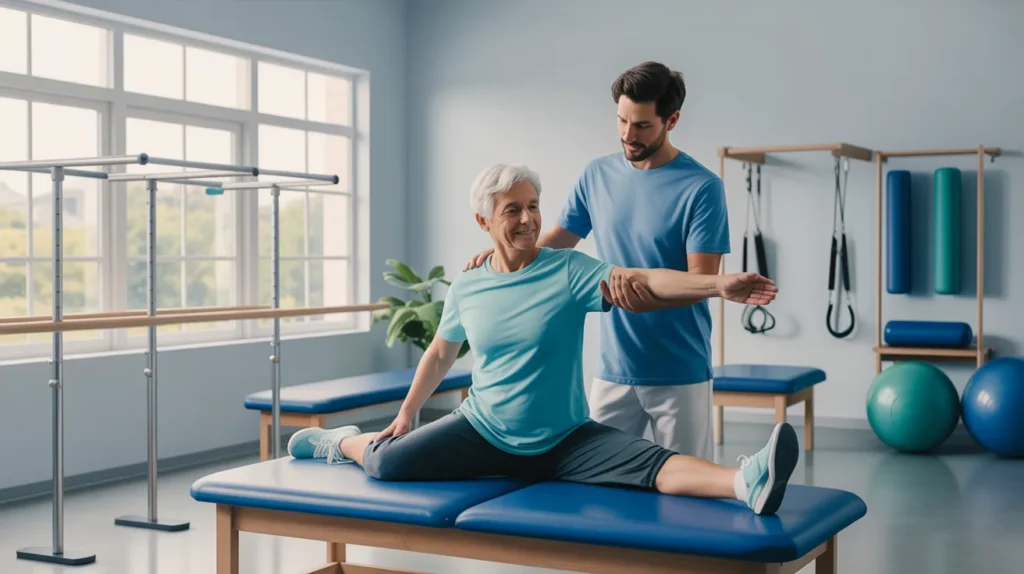
The Importance of Rehabilitation After Injury
After an injury, the body naturally tries to protect itself by limiting movement and tightening muscles around the affected area. While this protective response is helpful initially, prolonged stiffness and weakness can lead to:
- Reduced range of motion
- Muscle imbalances
- Joint instability
- Chronic pain
- Increased risk of re-injury
Rehabilitation helps reverse these effects by restoring proper movement mechanics and strengthening supportive tissues. Without proper rehabilitation, even seemingly minor injuries can evolve into long-term problems that affect posture, mobility, and overall health.
Types of Conditions That Benefit from Rehabilitation
Rehabilitation is beneficial for a wide range of conditions, including:
Personal Injury & Auto Accident Injuries
Car accidents often cause soft tissue injuries such as whiplash, muscle strains, ligament sprains, and joint dysfunction. Rehabilitation helps reduce pain, improve mobility, and restore strength while preventing chronic symptoms from developing.
Sports Injuries
Athletes of all levels rely on rehabilitation to recover from injuries like tendonitis, ligament tears, muscle pulls, and overuse injuries. Rehabilitation not only promotes healing but also enhances performance and reduces the risk of future injury.
Workplace & Repetitive Strain Injuries
Jobs that involve repetitive movements, heavy lifting, or prolonged sitting can lead to conditions such as back pain, neck pain, carpal tunnel syndrome, and shoulder injuries. Rehabilitation helps correct movement patterns and relieve accumulated stress.
Postural & Spinal Conditions
Poor posture, prolonged screen time, and sedentary lifestyles can contribute to spinal misalignment and muscle imbalances. Rehabilitation focuses on posture correction, core strengthening, and mobility training to improve alignment and comfort.
Chronic Pain Conditions
Individuals with long-term pain often benefit from rehabilitation that gently reintroduces movement, strengthens weak muscles, and reduces nervous system sensitivity associated with chronic discomfort.
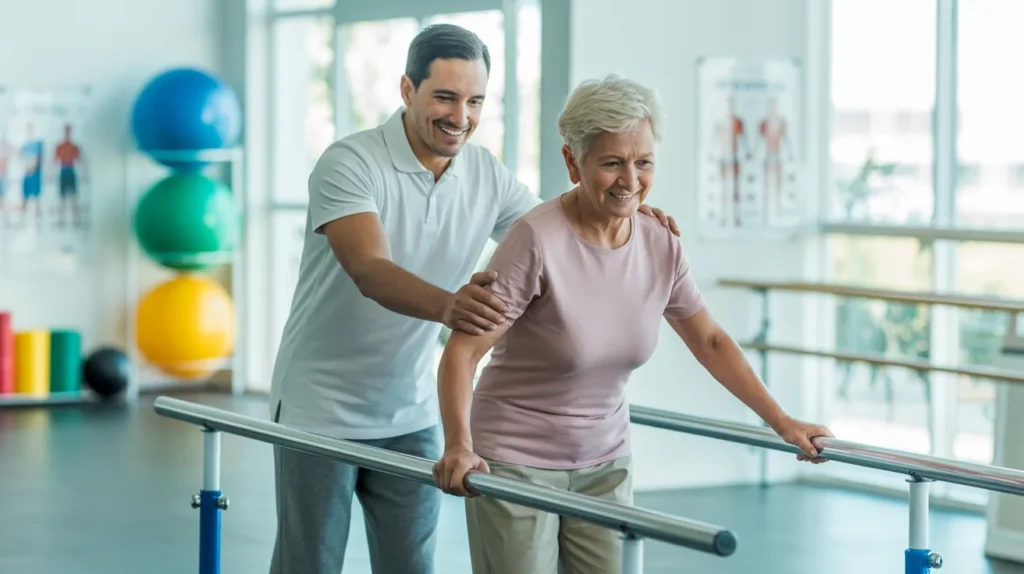
Key Components of a Rehabilitation Program
An effective rehabilitation program is personalized and progressive, adapting to the individual’s condition, goals, and stage of healing. Common components include:
1. Therapeutic Exercises
These exercises are designed to restore strength, flexibility, endurance, and coordination. They may include stretching, resistance training, balance exercises, and functional movements that mimic everyday activities.
2. Mobility & Range of Motion Training
Restoring joint mobility is essential after injury. Controlled movements help reduce stiffness, improve circulation, and re-establish normal movement patterns.
3. Neuromuscular Re-Education
Injury can disrupt communication between the brain and muscles. Rehabilitation helps retrain the nervous system so muscles activate correctly and efficiently during movement.
4. Manual Therapy
Hands-on techniques such as soft tissue therapy, joint mobilization, and myofascial release may be used to reduce muscle tension, improve circulation, and support healing.
5. Postural & Movement Correction
Rehabilitation addresses poor posture and faulty movement patterns that may have contributed to the injury. Correcting these issues helps prevent recurring problems.
Rehabilitation and Chiropractic Care: A Powerful Combination
Chiropractic care and rehabilitation work together to provide comprehensive recovery. Chiropractic adjustments focus on restoring proper alignment of the spine and joints, which improves nervous system function and reduces pain. Rehabilitation builds on these adjustments by strengthening muscles, improving mobility, and stabilizing the body.
This integrated approach is especially effective for personal injury patients, as it addresses both structural alignment and functional movement. When the spine is properly aligned and muscles are conditioned to support it, the body heals more efficiently and remains resilient against future injury.
The Role of Rehabilitation in Pain Management
One of the most valuable aspects of rehabilitation is its role in pain management. Instead of relying solely on medication, rehabilitation addresses pain at its source. By improving strength, mobility, and movement efficiency, rehabilitation reduces stress on injured tissues and calms irritated nerves.
Over time, many patients experience not only reduced pain but also improved confidence in their ability to move without fear. This is particularly important for individuals who may have developed movement avoidance due to discomfort or previous injury.
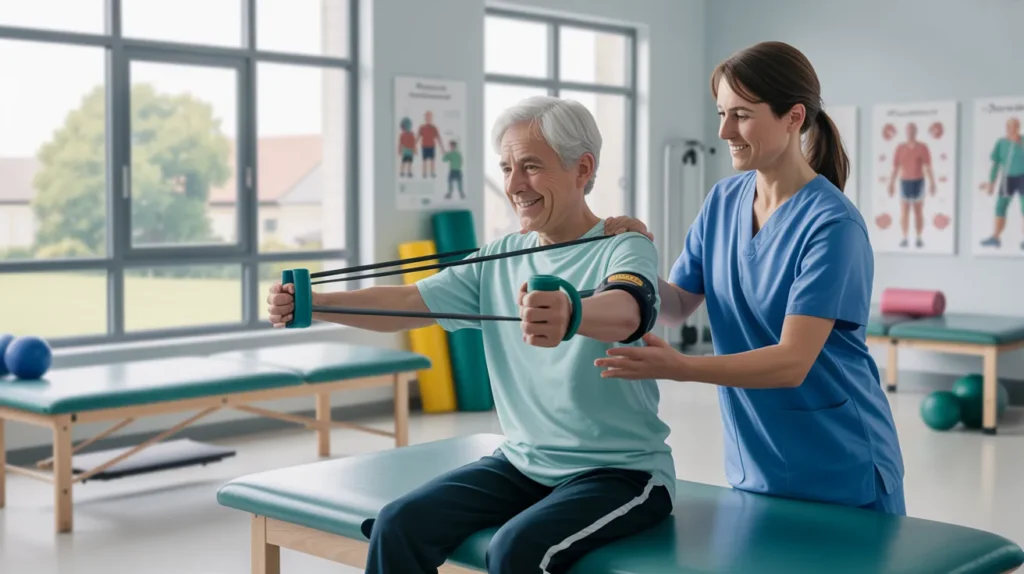
Rehabilitation for Long-Term Health & Injury Prevention
Rehabilitation does not end when pain subsides. One of its greatest benefits is preparing the body for long-term health. Strengthening muscles, improving flexibility, and correcting imbalances help protect joints and tissues from future stress.
Preventative rehabilitation is especially beneficial for:
- Individuals with physically demanding jobs
- Athletes and active individuals
- Older adults seeking to maintain independence
- Those with a history of recurring injuries
By improving body mechanics and resilience, rehabilitation supports a more active and pain-free lifestyle.
What to Expect During Rehabilitation
Rehabilitation is a gradual process. Patients often start with gentle exercises and progress toward more challenging movements as strength and confidence improve. Progress is closely monitored to ensure safety and effectiveness.
Consistency plays a key role. Regular participation in rehabilitation sessions and adherence to prescribed home exercises significantly influence outcomes. While each person heals at a different pace, most patients notice improvements in mobility, strength, and pain levels within weeks of starting a structured program.
The Psychological Benefits of Rehabilitation
Rehabilitation is not only physical—it also has mental and emotional benefits. Recovering from injury can be stressful and frustrating. Rehabilitation empowers patients by giving them an active role in their recovery.
As individuals regain strength and mobility, confidence increases, fear of movement decreases, and overall quality of life improves. This mind-body connection is a vital part of holistic healing.
Conclusion: Rehabilitation as the Foundation of Recovery
Rehabilitation is an essential step in restoring health after injury and maintaining long-term physical well-being. It focuses on healing the body from the inside out—strengthening muscles, improving movement, reducing pain, and preventing future injuries.
Whether recovering from a car accident, sports injury, or chronic condition, a personalized rehabilitation program provides the structure and support needed to heal safely and effectively. When combined with chiropractic care and professional guidance, rehabilitation offers a comprehensive path toward lasting recovery and improved quality of life.