


Sciatica is a common condition that affects millions of people worldwide. It’s not actually a disease in itself but rather a set of symptoms caused by irritation or compression of the sciatic nerve—the longest nerve in the body. When this nerve becomes irritated, it can cause pain, numbness, tingling, or weakness that radiates from the lower back down through the hips, buttocks, and legs. For many people, sciatica pain can be debilitating and interfere with daily activities like walking, standing, or sitting.
The good news is that sciatica is often treatable, especially when diagnosed early and managed with appropriate care. Chiropractic treatment is one of the natural, non‑invasive approaches many individuals choose to reduce pain and improve function. This article explores the causes of sciatica, typical symptoms, and proven treatment strategies—including how chiropractic care can help patients manage and recover from sciatica.
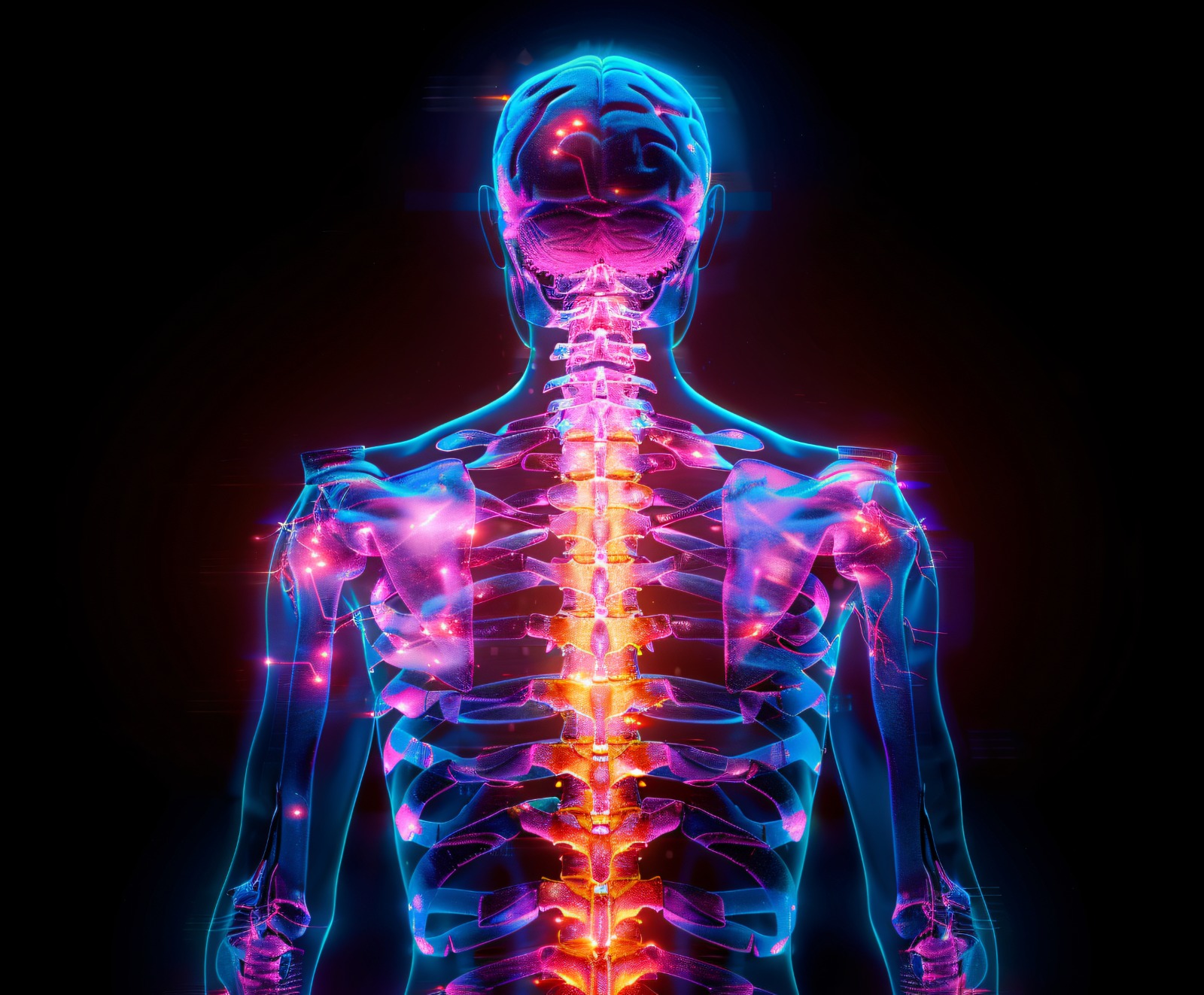
Sciatica refers to pain that stems from irritation of the sciatic nerve, which begins in the lower back and travels down through the hips, buttocks, and each leg. The term “sciatica” itself doesn’t describe a specific medical condition but rather a collection of symptoms related to nerve compression.
The sciatic nerve is formed from nerve roots that exit the spinal cord in the lumbar and sacral areas (lower back). When these nerves become pinched, irritated, or compressed—due to injury, inflammation, or structural changes in the spine—pain and other symptoms can follow.
Because sciatica affects the nerve roots, symptoms are typically felt on one side of the body. Pain can range from a mild ache to severe, sharp, or burning sensations that travel down the leg.
Sciatica can arise from several different underlying causes. The most common include:
The discs in your spine act as shock absorbers between vertebrae. When these discs become damaged or bulge outward, they can press against nearby nerve roots—including those that form the sciatic nerve.
This type of compression is one of the most frequent causes of sciatica. It can result from age‑related degeneration, sudden injury, or repetitive strain.
Spinal stenosis refers to narrowing of the spinal canal—the space through which the spinal cord and nerves run. As this space narrows, nerves can become compressed. Lumbar spinal stenosis is a common cause of sciatica in older adults.
This condition occurs when one vertebra slips forward over the one below it. The misalignment can pinch the nerve root, leading to sciatic symptoms.
In some cases, sciatica can be caused not by direct nerve compression in the spine, but by muscle tension around the hips and pelvis. For example, the piriformis muscle sits near the sciatic nerve in the buttock region. If this muscle becomes tight or inflamed, it can irritate the nerve—a condition known as piriformis syndrome.
Accidents, falls, or sudden movements can injure the lower back and contribute to nerve irritation. Even minor trauma may trigger sciatica if it causes swelling or misalignment in the spine.
Chiropractic care is a non‑invasive, drug‑free approach that focuses on restoring proper alignment and function to the spine. For many patients with sciatica, chiropractic treatment can significantly reduce pain and improve mobility.
One of the central techniques in chiropractic care is the spinal adjustment. During an adjustment, a chiropractor applies controlled pressure to the spinal joints to improve alignment and movement.
Sciatica often involves muscle tension and trigger points in the lower back, hips, and buttocks—areas that can further irritate the sciatic nerve. Chiropractors may use soft tissue techniques such as massage, myofascial release, or stretching to relieve muscle tension.
Relieving muscular tightness not only reduces pain but also helps improve mobility and posture.
Chiropractic care may also include rehabilitative exercises to strengthen the muscles that support the spine and pelvis. A strong core and stable hips help reduce stress on the lower back and protect against future injury.
Exercises may include:
Poor posture and prolonged sitting can increase pressure on the lower back and contribute to sciatica. Chiropractors often provide guidance on:
Sciatica is one of the most common forms of nerve pain, affecting up to 40% of people at some point in their lives. The risk increases with age, especially after age 30, as natural degenerative changes in the spine may contribute to nerve compression. Prolonged sitting, sedentary lifestyles, and heavy physical work can also increase the likelihood of developing sciatica.
Many individuals seek chiropractic care when symptoms first appear, because early intervention can often shorten recovery time and prevent chronic pain.
Sciatica symptoms vary in intensity and location, but they typically involve irritation of the sciatic nerve. Common signs include:
A healthcare provider can perform a detailed examination, including physical tests and imaging if necessary, to determine the cause and severity of the condition.
Although mild sciatica may improve with rest and home care, certain symptoms warrant professional evaluation:

Physical therapists can guide patients through targeted exercises to improve flexibility, strength, and posture. For many people, combining chiropractic adjustments with physical therapy results in faster and more comprehensive improvement.
Applying ice packs in the early stages of pain can reduce inflammation, while heat therapy later helps relax tight muscles.
Maintaining a healthy weight, engaging in regular low‑impact exercise, and avoiding prolonged sitting can all contribute to long‑term relief.

Once sciatica pain improves, many people want to know how to prevent it from returning. Some effective preventive strategies include:
Regular physical activity helps keep the spine flexible and strengthens the muscles that support it.
Avoid slouching and maintain proper posture when sitting, standing, and walking.
If your work involves prolonged sitting, take frequent breaks to stand, stretch, or walk.
Excess weight adds stress to the lower back and increases the risk of nerve irritation.
Most cases of sciatica improve with conservative care. However, when symptoms are severe or progressive, additional medical interventions may be needed. These can include:
A healthcare professional can help determine whether surgery is appropriate.

Our personal injury chiropractic center is located in Aurora, Colorado (2499 Peoria St. Aurora, CO 80010), just a short drive from all parts of east Aurora and east Denver, Montbello, Green Valley Ranch, and Commerce City, Colorado.
Our Aurora chiropractors offer chiropractic care for personal injuries, Stretching, Reduce inflammation, car accident injuries, neck pain, back pain, headaches, Sciatica, Improving Mobility, family chiropractic care, Muscle Tightness and more.
©2026 North Aurora Chiro Copyright All Right Reserved.