


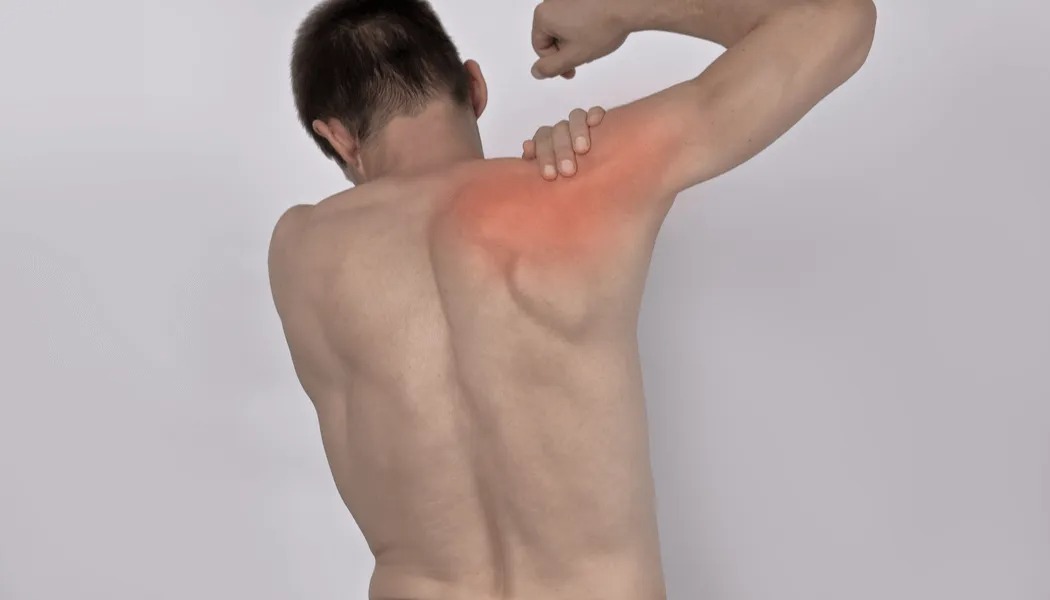
Stiffness is one of the most common physical complaints people experience — yet most people don’t fully understand what it is, what causes it, or why it tends to linger and sometimes become chronic. Whether you wake up in the morning feeling like you’ve aged a decade overnight, struggle to turn your neck after long hours at your desk, or find your back tight after physical activity or an injury, stiffness can significantly interfere with your ability to live, work, and enjoy life.
Fortunately, stiffness is often treatable — especially when we look beyond temporary relief and focus on restoring proper function and movement. Chiropractic care is one of the most effective, natural, drug-free strategies for reducing stiffness, improving mobility, and addressing its underlying causes. At North Aurora Chiropractic in Aurora, Colorado, patients find relief through tailored chiropractic treatments that help their bodies work the way they were designed to — without long-term medication or invasive procedures.
In this article, we’ll explore what stiffness really is, why it occurs, how chiropractic care can help, and practical ways to prevent stiffness from taking over your life.
What Is Stiffness?
Stiffness is the sensation of reduced flexibility or resistance when you try to move a joint or muscle. It can occur in many parts of the body — most commonly the neck, shoulders, back, hips, and legs — and it often feels like:
- Difficulty bending or stretching
- A sensation of tightness in muscles or joints
- Slow or restricted range of motion
- Pain during movement
Unlike sharp pain that signals something acutely wrong, stiffness is typically a sign of dysfunction in how the body’s joints and tissues move and interact. It isn’t just an annoying feeling — it often indicates that something deeper is affecting your musculoskeletal system.

Common Causes of Stiffness
Stiffness doesn’t come from a single source. It can emerge from a variety of factors — often working together — that restrict normal movement and mobility.
1. Sedentary Lifestyle and Lack of Movement
Many people live jobs that require prolonged sitting or standing in one position. Over time, muscles and joints become less flexible, tissues shorten, and the body loses its natural range of motion.
2. Muscle and Joint Misalignment
Misalignment in the spine or joints — sometimes subtle — changes how your body moves and bears weight. This can result in uneven stress on muscles and connective tissues, leading to stiffness and discomfort. Chiropractic care focuses on correcting these misalignments to improve overall movement and reduce stiffness.
3. Aging and Natural Wear
As we age, cartilage wears down, discs lose hydration, and muscles lose elasticity. These changes reduce joint mobility and increase stiffness, particularly for people who don’t actively stretch or strengthen their bodies.
4. Injury or Repetitive Strain
Past injuries — even ones you barely noticed at the time — can leave scar tissue, muscle guarding, and restricted movement patterns that lead to stiffness later on. Sports activities, repetitive work tasks, or sudden strains can compound this effect.
5. Inflammation and Muscle Tension
Inflammation from injury or chronic stress can cause muscles to tighten and joints to feel less mobile. This is especially common after car accidents, whiplash, or sports injuries — situations that North Aurora Chiropractic treats regularly.
While stiffness can be a short-term reaction to unusual activity, when it becomes persistent it can affect posture, physical performance, and quality of life.
Why Stiffness Can Become Chronic
Most people assume stiffness will go away on its own, but that isn’t always the case. Stiffness becomes persistent — or even chronic — when:
- Underlying structural issues aren’t addressed
- Muscles compensate for misalignment, creating pattern imbalances
- Movement patterns are dysfunctional (e.g., poor posture, improper lifting)
- Inflammation lingers due to lack of proper treatment
Over time, this can lead to further stiffness, joint degeneration, pain, and reduced mobility — which becomes a cycle that’s harder to break without professional care.
How Chiropractic Care Addresses Stiffness
Chiropractic care takes a holistic, movement-focused approach to stiffness. Instead of just masking the symptom, chiropractors aim to understand why stiffness is happening and what structural or muscular changes need to occur to restore proper movement.
1. Spinal and Joint Adjustments
Chiropractic adjustments are one of the most effective ways to restore normal range of motion in stiff joints. By applying controlled, precise force to the spine and other joints, chiropractors help:
- Reduce abnormal tension in muscles
- Improve joint mobility and flexibility
- Restore alignment and function
Proper alignment allows joints and nerves to move freely, often reducing stiffness and discomfort significantly. Many patients experience immediate relief and increasing flexibility after a series of adjustments.
2. Soft Tissue Therapy
Muscles, tendons, and fascia often play a major role in stiffness. Your chiropractor may use soft tissue techniques — such as massage, myofascial release, or trigger point therapy — to loosen tight tissues and improve circulation. This relaxed state helps joints move better and reduces the guarding reflex that tight muscles often develop in response to dysfunction.
3. Stretching and Movement Education
Chiropractic care often includes tailored stretching and mobility routines designed to:
- Strengthen muscles in key areas
- Increase flexibility
- Improve joint stability
These routines complement adjustments and help maintain gains between appointments. They also empower patients to take an active role in preventing stiffness.
4. Postural and Ergonomic Guidance
Poor posture — especially from long hours at a desk or repetitive tasks — can lead to stiffness in the neck, shoulders, and lower back. Chiropractors assess posture and daily movement habits, offering guidance on ergonomic improvements that relieve stress on joints and muscles.
This kind of guidance not only helps stiffness improve more quickly, it also prevents stiffness from returning.
Stiffness in Different Parts of the Body
Stiffness can appear in many regions, and while the pain or tightness may feel local, the underlying cause can be systemic or mechanical. Let’s explore common presentations and how chiropractic care helps.
Neck and Shoulder Stiffness
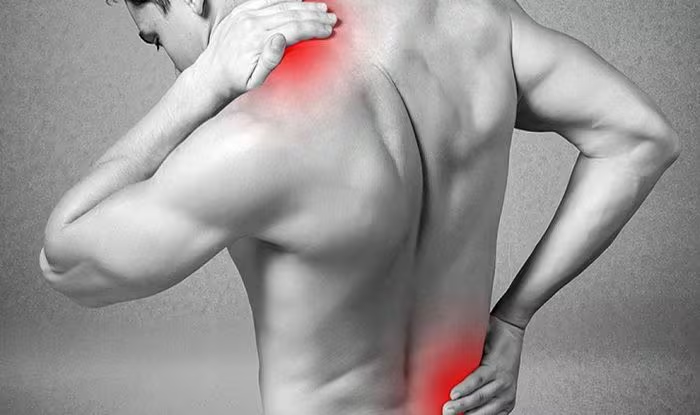
Neck stiffness is most commonly linked to poor posture, long hours at a computer or phone, or injuries like whiplash. A stiff neck can limit turning, cause headaches, and even lead to shoulder tightness. Chiropractic adjustments combined with soft tissue therapy and stretches can significantly improve movement and reduce tension in this area.
Back Stiffness
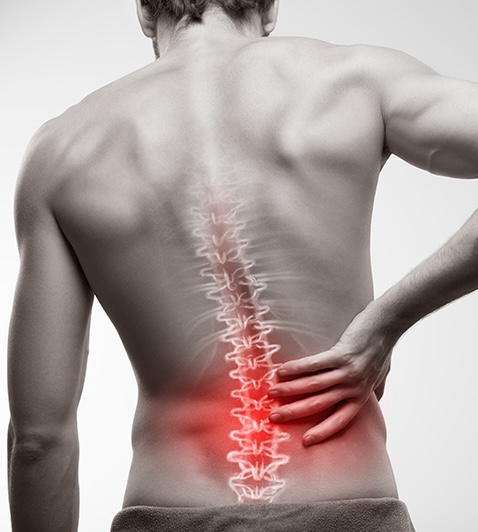
Back stiffness — especially in the lower back — is one of the most widespread complaints. It can result from muscle tension, misalignment in the spine, or restricted joint motion. Proper chiropractic care restores alignment, allowing the spine and surrounding muscles to work in a balanced way, reducing stiffness and improving mobility.
Hip and Leg Stiffness
Hips and legs can become stiff due to prolonged sitting, muscle imbalance, or compensatory movement patterns from injuries. Chiropractic adjustments to the pelvis and lumbar spine, combined with muscle release and specific exercises, help restore symmetry and mobility in these larger joints.
Symptoms Related to Stiffness
Stiffness can come with several related symptoms, and understanding these helps clarify when chiropractic care might be beneficial:
- Restricted range of motion
- Muscle tension and tightness
- Pain or discomfort during movement
- Postural imbalance
- Recurring stiffness in same areas
- Stiffness worse after inactivity (morning stiffness)
Persistent stiffness — particularly when it interferes with daily activities — should prompt an evaluation from a qualified professional like a chiropractor.
The Benefits of Reducing Stiffness Through Chiropractic
Chiropractic care offers multiple benefits when treating stiffness:
Improved Mobility and Flexibility
By restoring joint function and muscle balance, chiropractic care helps patients move more easily and comfortably — improving quality of life in day-to-day activities.
Reduced Pain and Discomfort
Stiffness often creates or accompanies discomfort. Chiropractic adjustments can reduce pressure on nerves and tissues, decreasing associated pain without relying solely on medication.
Enhanced Circulation and Tissue Health
Improved joint motion encourages better blood flow to muscles and connective tissues, which supports healing and reduces inflammation that contributes to stiffness.
Better Posture and Body Mechanics
Chiropractic guidance and adjustments help correct underlying biomechanical issues — such as poor posture — that contribute to stiffness.
Supports Long-Term Wellness
Perhaps most importantly, chiropractic care empowers patients with knowledge and tools (exercises, posture tips, routines) that prevent stiffness from worsening or returning.

When to Seek Chiropractic Care for Stiffness
While occasional stiffness after unusual activity or a specific event may resolve on its own, consider seeing a chiropractor if:
- Stiffness persists for more than a few days
- It interferes with daily activities
- It’s accompanied by pain, numbness, or weakness
- It follows an injury or accident
- It recurs frequently or seems to worsen despite rest
At North Aurora Chiropractic, walk-in care is available so patients can seek help when stiffness first appears — before it becomes a chronic problem. Their experienced team provides chiropractic care for neck pain, back pain, personal injuries, and stiffness related to joint or muscular dysfunction.
Real-Life Examples of Stiffness and Chiropractic Success
Morning Stiffness That Reduced With Adjustments
Many patients report waking up with tight, stiff muscles that ease after movement. Regular chiropractic adjustments help improve spinal alignment and reduce tissue tension, leading to a noticeable reduction in morning stiffness over time.
Desk-Related Neck and Shoulder Stiffness Relief
People who spend long hours in front of computers often experience neck and shoulder tightness. A combination of postural advice, adjustments, and therapeutic exercises can break the stiffness cycle, improve posture, and restore comfortable motion.
After-Injury Stiffness Managed Naturally
Stiffness often lingers after a car accident or sports injury, even when pain seems mild. Chiropractic evaluation identifies subtle misalignments and soft tissue restrictions that contribute to stiffness, allowing targeted care to shorten recovery and reduce long-term symptoms.
Conclusion: Move More, Feel Better, Live Better
Stiffness isn’t something you have to “just live with.” While it’s a common experience, persistent stiffness often points to deeper issues with alignment, muscle balance, posture, or injury — and it can be treated effectively.
Chiropractic care offers a holistic, drug-free, non-invasive path to reducing stiffness by addressing its root causes, restoring normal movement, and supporting long-term musculoskeletal health. Whether it’s neck tightness, back rigidity, or stiffness after an injury, chiropractic treatments combined with movement education and posture improvement can make a profound difference in how you feel and move every day.
If stiffness is limiting your comfort and activity level, consider exploring chiropractic care — it could be the key to unlocking freer movement and a more active, pain-free life.