


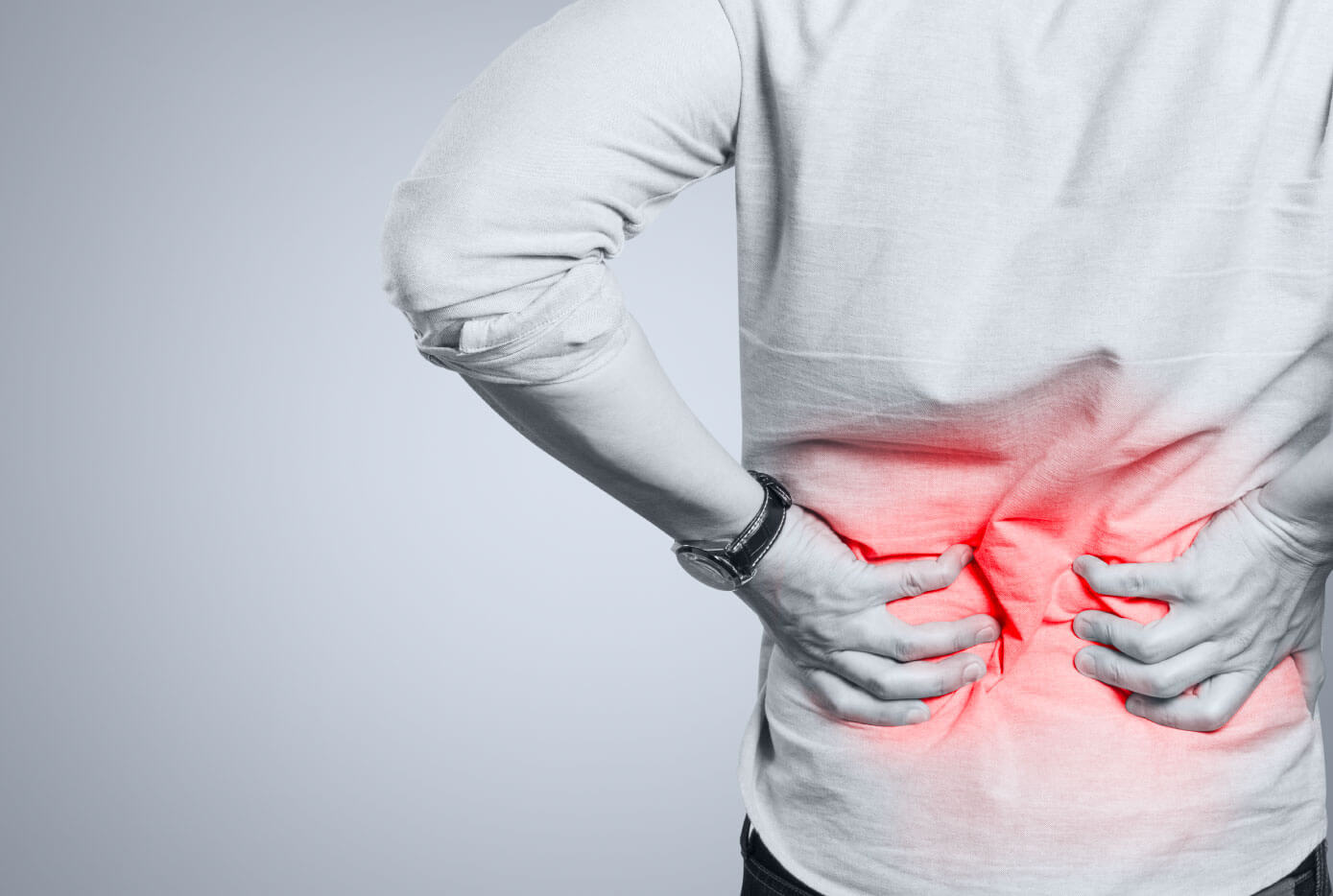
In today’s fast-paced world, more people are looking for healthcare solutions that are safe, natural, and effective—without the need for surgery or heavy medication. This growing demand has made non-invasive treatment one of the most preferred approaches for managing pain, improving mobility, and enhancing overall well-being.
Whether you’re dealing with chronic back pain, recovering from an injury, or simply trying to maintain a healthy lifestyle, non-invasive treatments offer a powerful alternative to traditional medical procedures. They focus on addressing the root cause of the problem while minimizing risks, recovery time, and side effects.
What Is Non-Invasive Treatment?
Non-invasive treatment refers to medical or therapeutic techniques that do not require surgery, incisions, or penetration into the body. These treatments aim to promote healing, relieve pain, and restore function using natural or minimally disruptive methods.
Unlike invasive procedures, non-invasive care allows patients to:
- Avoid surgical risks
- Experience little to no downtime
- Heal naturally with minimal side effects
- Return to daily activities quickly
This approach is widely used in fields such as chiropractic care, physiotherapy, rehabilitation, and wellness therapies.
Why More People Are Choosing Non-Invasive Treatments
The shift toward non-invasive healthcare is driven by several important factors:
1. Reduced Risk
Surgical procedures always carry risks such as infections, complications, or adverse reactions. Non-invasive treatments significantly reduce these risks, making them a safer option for many patients.
2. Faster Recovery Time
With no incisions or major interventions, recovery is often immediate or very short. Many patients can resume normal activities right after treatment.
3. Drug-Free Pain Relief
Non-invasive therapies often focus on natural healing, reducing the need for pain medications and their potential side effects.
4. Cost-Effective Care
Compared to surgery and long hospital stays, non-invasive treatments are generally more affordable and accessible.
5. Holistic Approach
These treatments often address the entire body rather than just symptoms, promoting long-term wellness and prevention.
Common Types of Non-Invasive Treatments
There are several effective non-invasive therapies available today, each designed to treat different conditions and improve overall health.
Chiropractic Care
Chiropractic adjustments focus on aligning the spine and improving nervous system function. This helps relieve pain, restore mobility, and enhance overall body performance.
Physical Therapy
Physical therapy uses exercises, stretching, and manual techniques to improve strength, flexibility, and recovery after injuries.
Massage Therapy
Therapeutic massage helps reduce muscle tension, improve circulation, and promote relaxation.
Heat and Cold Therapy
Applying heat or cold can reduce inflammation, relieve pain, and accelerate healing.
Electrical Stimulation Therapy
This technique uses mild electrical currents to stimulate muscles and reduce pain.
Lifestyle and Posture Correction
Simple changes in posture, ergonomics, and daily habits can significantly improve long-term health.
Conditions Treated with Non-Invasive Methods
Non-invasive treatments are highly effective for a wide range of conditions, including:
Back Pain
One of the most common issues treated without surgery, back pain can often be managed through chiropractic care, therapy, and posture correction.
Neck Pain
Non-invasive methods help relieve tension and improve flexibility in the neck area.
Joint Pain
Knee, shoulder, and hip pain can be treated with targeted therapies that improve movement and reduce inflammation.
Sciatica
Non-invasive treatments can reduce nerve compression and alleviate radiating pain.
Headaches and Migraines
Addressing spinal alignment and muscle tension often reduces headache frequency.
Sports Injuries
Athletes benefit from faster recovery and improved performance through non-invasive care.
Work-Related Strain
Desk jobs and repetitive movements can lead to chronic pain, which can be managed without surgery.
How Non-Invasive Treatment Works
Non-invasive care focuses on helping the body heal itself by improving alignment, circulation, and function.
Step 1: Assessment
A healthcare professional evaluates your condition, symptoms, and lifestyle.
Step 2: Diagnosis
The root cause of your pain or discomfort is identified.
Step 3: Personalized Treatment Plan
A tailored plan is created based on your specific needs and goals.
Step 4: Treatment Sessions
You receive targeted therapies designed to relieve pain and restore function.
Step 5: Ongoing Support
You are guided with exercises, posture tips, and lifestyle changes to maintain results.
Benefits of Non-Invasive Treatment
Choosing non-invasive care offers numerous advantages:
- ✅ No surgery or hospital stay
- ✅ Minimal to no side effects
- ✅ Faster recovery and return to daily life
- ✅ Improved mobility and flexibility
- ✅ Long-term pain management
- ✅ Better overall health and wellness
Many patients prefer this approach because it allows them to stay active and avoid the risks associated with invasive procedures.
When Should You Consider Non-Invasive Treatment?
You should consider non-invasive options if you experience:
- Chronic or recurring pain
- Limited mobility or stiffness
- Pain after an injury or accident
- Muscle tension or discomfort
- Headaches or posture-related issues
It’s often recommended to try non-invasive treatments before considering surgery, especially for musculoskeletal conditions.
Non-Invasive vs. Invasive Treatments
| Feature | Non-Invasive Treatment | Invasive Treatment |
| Procedure | No surgery | Requires surgery |
| Recovery Time | Minimal | Weeks to months |
| Risk Level | Low | Higher |
| Cost | More affordable | Expensive |
| Side Effects | Minimal | Possible complications |
This comparison highlights why many patients choose non-invasive care as their first line of treatment.
The Future of Healthcare: Non-Invasive Solutions
As technology and healthcare continue to evolve, non-invasive treatments are becoming more advanced and widely available. From improved therapy techniques to innovative tools, patients now have more options than ever to manage pain and improve their health naturally.
This shift reflects a broader trend toward preventive and patient-centered care, where the focus is on long-term wellness rather than temporary fixes.
Tips for Getting the Best Results
To maximize the benefits of non-invasive treatment:
- Follow your treatment plan consistently
- Stay active and maintain a healthy lifestyle
- Practice good posture and ergonomics
- Communicate openly with your healthcare provider
- Be patient—healing takes time
Consistency is key to achieving lasting results.
👉 Take the First Step Toward Natural Healing
If you’re looking for a safer, more natural way to manage pain and improve your health, non-invasive treatment may be the perfect solution.
💥 Start Your Journey Today:
- Explore non-invasive care options
- Consult with a qualified professional
- Begin a personalized treatment plan
- Experience relief without surgery
Final Thoughts
Non-invasive treatment is transforming the way people approach healthcare. By focusing on natural healing, reduced risks, and long-term results, it offers a powerful alternative to traditional medical procedures.
Whether you’re dealing with pain, recovering from an injury, or simply aiming to improve your overall wellness, non-invasive care provides a safe and effective path forward.
Take control of your health today—choose a treatment approach that works with your body, not against it.